

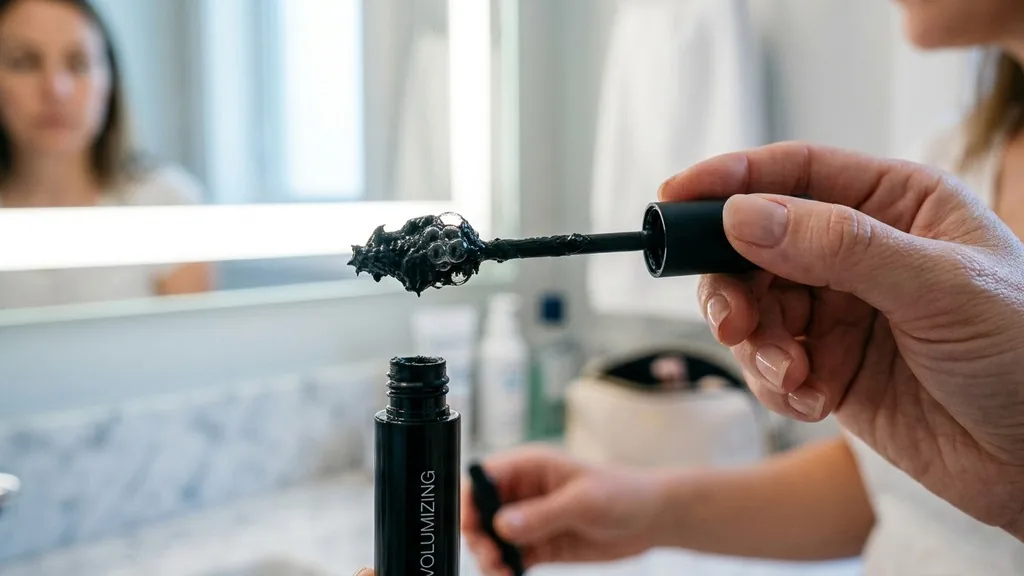
Discovering that your favorite tube of makeup has become clumpy or flaky right when you are getting ready is a universal frustration. Learning how to revive dry mascara can save you both time and money, extending the life of your beauty products without compromising your look. While the longevity of any cosmetic product is limited by hygiene and expiration dates, there are several effective, safe techniques to restore the smooth consistency of a formula that has simply thickened due to air exposure.
Understanding Why Mascara Dries Out
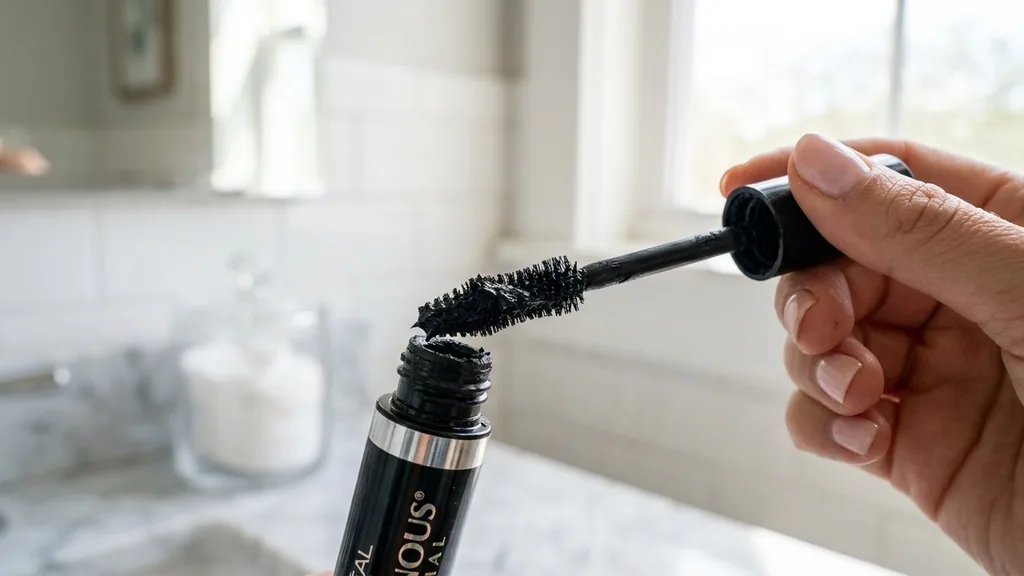
The primary reason your mascara loses its silky texture is oxidation. Every time you pull the wand out of the tube, you introduce a small amount of air.
Over weeks of daily use, this oxygen exposure causes the volatile components in the formula to evaporate, leaving behind a thicker, more viscous substance that clumps on your lashes. This process is accelerated if you have a habit of “pumping” the wand—moving it in and out rapidly—which pushes more air into the container.
Beyond simple oxidation, temperature fluctuations can play a significant role. Storing your makeup in a bathroom where the temperature and humidity levels shift frequently can destabilize the emulsion. Furthermore, the ingredients themselves have a shelf life.
Most manufacturers formulate mascaras to last for approximately three months. If your product is older than this, the drying is often a sign that the preservatives are no longer effective, making it a potential breeding ground for bacteria. Recognizing the difference between a product that is merely thickened from air exposure and one that has reached its biological expiration is crucial for maintaining eye health.
The Hot Water Method for Restoration
One of the safest and most reliable ways to loosen a thickened formula is the hot water method. This technique relies on gentle heat to lower the viscosity of the waxes and oils inside the tube, allowing the product to become fluid again without introducing any foreign substances that could alter the chemical balance or introduce contaminants.
To perform this, start by tightening the cap of your mascara securely. Submerge the entire tube in a cup of hot—not boiling—water for approximately three to five minutes. The heat will permeate the plastic or metal casing, warming the formula inside and making it easier to glide onto your lashes.
After removing the tube, roll it between your palms for a few seconds to ensure the heat is distributed evenly. This method is particularly effective for high-end mascaras that contain heavy waxes. If you notice the product is still stiff, you can repeat the process, but be careful not to overheat the plastic, as this could warp the wand or the seal.
Using Contact Lens Solution Effectively
If heat isn’t enough, many makeup artists recommend using a few drops of saline-based contact lens solution. Because this liquid is formulated to be sterile and safe for use in or near the eyes, it is generally considered a safer additive than tap water, which may contain minerals or bacteria.
To revive your mascara using this method, add only one or two drops of the solution directly into the tube. It is essential to start with a very small amount, as adding too much can turn the formula into a watery mess that will smudge easily throughout the day. After adding the drops, insert the wand and stir gently, or use a clean spoolie to mix the solution into the product.
This creates a more homogeneous consistency. Remember that by adding an external liquid, you are diluting the preservatives in the formula.
This means you should only use this trick on a tube that is relatively new and definitely not past its three-month expiration window. You can learn more about eye cosmetic safety by reviewing guidelines from official health organizations to ensure you are not risking irritation or infection.
Comparing Common Revival Techniques
When deciding how to fix your makeup, it is helpful to weigh the pros and cons of different additives. While some people suggest using oils or eye drops, not all substances are created equal when it comes to preserving the integrity of your cosmetic formula.
| Method | Effectiveness | Safety Level | Best For |
|---|---|---|---|
| Hot Water Bath | High | Very Safe | Slightly thickened, high-wax formulas |
| Contact Solution | High | Safe (if sterile) | Significantly dried, clumped product |
| Natural Oils | Moderate | Variable | Formulas that are not waterproof |
| Water | Low | Low (risk of bacteria) | Emergency use only |
As indicated in the table, the choice of additive significantly impacts the result. While natural oils like jojoba or almond oil can help, they can also cause the mascara to lose its “grip,” leading to raccoon eyes by midday. Always prioritize methods that maintain the sterility of the tube.
Why You Should Avoid Certain Common Hacks
In the world of online beauty tips, you will often find suggestions that are actually detrimental to your eye health. One of the most frequently suggested but dangerous hacks is using tap water or saliva to thin out the product. Saliva, in particular, is full of bacteria from the mouth; introducing it into a dark, moist tube of makeup is an invitation for an eye infection.
Similarly, many people suggest using heavy oils like coconut oil. While these might make the product feel smooth, they often break down the binders in the mascara, causing it to smear or melt off your lashes within hours. Furthermore, if you are using a waterproof formula, adding oils or water-based solutions will almost certainly ruin the chemical structure that makes the product resistant to moisture.
If a product is truly dried out to the point where it requires excessive intervention, it is often better to accept that the product has reached the end of its life cycle. Using expired makeup increases the risk of conjunctivitis and other ocular inflammations, which are far more costly to treat than a new tube of mascara.
Best Practices to Prevent Future Drying
Prevention is always better than cure. By changing a few habits, you can significantly extend the time before you need to consider how to revive dry mascara again. The most important rule is to stop pumping your wand.
Every time you pump, you force air into the tube, which accelerates the evaporation of the solvents. Instead, try a circular motion inside the tube to pick up the product, then pull the wand out slowly.
Another key factor is proper closure. Always ensure the cap is screwed on tightly until you hear a click or feel it seat properly. Even a small gap can allow air to circulate, drying out the formula prematurely.
Additionally, store your makeup in a cool, dry place away from direct sunlight. The heat from a window or a radiator can separate the ingredients in the formula, leading to clumping. Finally, keep your wand clean.
If you notice buildup on the spoolie, wipe it off with a damp cloth or a makeup remover wipe. A clean wand applies product more evenly and prevents the accumulation of dried, crusty bits that can fall back into the tube and contaminate the rest of the supply.
When to Replace Your Mascara
Regardless of how many tricks you know to revive your makeup, there comes a time when you must discard it. The general rule of thumb in the beauty industry is that liquid eye products should be replaced every three months. This is because the eye area is highly sensitive, and the wand is constantly moving from your lashes—which are covered in bacteria and skin cells—back into the tube.
If you notice any of the following signs, do not attempt to revive the product; simply throw it away:
- The product has developed a strange or sour smell.
- The formula has changed color or separated into distinct layers that won’t mix back together.
- You experience any itching, redness, or irritation when applying the product.
- The texture has become gritty or chunky despite your best efforts to thin it out.
- You have recently recovered from an eye infection like pink eye.
Following these guidelines ensures that you are not only looking your best but also protecting your vision. While it is tempting to squeeze every last drop out of a tube, your health should always take precedence over convenience. By staying aware of the age of your makeup and maintaining good hygiene, you can enjoy your beauty routine safely and effectively.
Frequently Asked Questions
Is it safe to use eye drops to revive mascara?
It is generally safe if you use plain, preservative-free lubricating eye drops, as these are formulated to be sterile. However, avoid “redness relief” drops, as they contain vasoconstrictors and other chemicals that are not intended for use on the delicate skin around the eye or inside the mascara tube.
How can I tell if my mascara is truly expired?
Beyond the three-month rule, trust your senses. If the product develops an unusual odor, changes texture significantly, or causes any stinging or redness upon application, it has likely expired. Even if it seems “revivable,” it is safer to discard it to prevent potential bacterial infections.
Does adding water to dry mascara really help?
While adding a drop of water can temporarily thin the formula, it is not recommended. Water encourages bacterial growth and can disrupt the preservative system in the makeup. It is much better to use a tiny amount of sterile contact lens solution or simply warm the tube in hot water.
Can I revive waterproof mascara with these methods?
Waterproof formulas are specifically designed to resist moisture, meaning adding water or saline will likely ruin the formula’s performance. The hot water bath method is the only safe way to attempt to revive waterproof mascara, as it does not introduce any foreign liquids into the product.


