


Achieving a smudge-proof look that withstands humidity, sweat, or a dip in the pool often leads beauty enthusiasts to search for how to make mascara waterproof. While the cosmetic industry offers a vast array of specialized formulas, sometimes you find yourself attached to a favorite non-waterproof tube that simply cannot handle moisture.
Transforming your regular lash enhancers into a resilient, long-lasting barrier is entirely possible with the right techniques and products. By understanding the chemical properties of your favorite makeup and utilizing the right sealants, you can enjoy a flawless application that stays put throughout the day without the need for constant touch-ups.
The Science Behind Mascara Formulas and Water Resistance
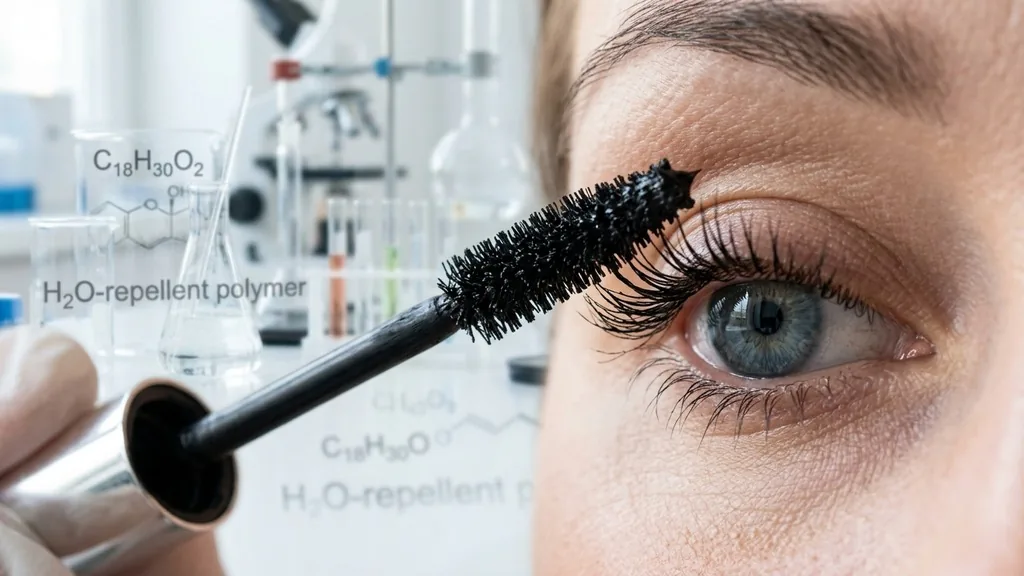
To understand how to make mascara waterproof, one must first grasp why standard formulas fail when exposed to moisture. Most traditional mascaras are water-based emulsions.
They are designed to be easily removed with simple soap and water, which is convenient for your nightly routine but detrimental when you are caught in a rainstorm or sweating at the gym. These water-soluble ingredients, such as glycerin or panthenol, dissolve quickly upon contact with moisture, causing the product to flake, smear, or run down your cheeks.
In contrast, truly waterproof versions rely on hydrophobic ingredients like waxes and volatile silicones. These components create a physical shield that repels water molecules rather than absorbing them. When you attempt to modify a regular mascara, you are essentially trying to introduce a hydrophobic layer over the existing formula.
This is why simply adding an oil to your mascara tube is rarely the answer; doing so often ruins the consistency of the product, making it clumpy or causing it to smudge even faster. Instead, the focus should be on creating a secondary barrier or choosing a formula that is inherently designed for longevity. The goal is to bind the pigment to the lash fiber in a way that remains stable even when the environment becomes damp or humid.
Utilizing Waterproof Mascara Top Coats for Maximum Protection
The most effective and safest method to achieve a waterproof effect is to use a dedicated waterproof mascara top coat. These products are essentially clear, liquid sealants designed to be layered over any regular mascara once it has fully dried.
By applying a transparent, water-resistant film over your favorite volumizing or lengthening mascara, you lock the pigment in place without altering the initial look of your lashes. This approach is highly recommended by makeup artists because it allows for the best of both worlds: the beautiful application of a non-waterproof formula and the durability of a professional-grade waterproof sealant.
When selecting a top coat, look for ingredients like acrylates copolymer, which forms a flexible, water-repellent film on the lash surface. This is the same technology used in high-end long-wear makeup. To use this effectively, apply your chosen mascara as usual and allow it to sit for at least two minutes.
If the lashes are still tacky, the top coat may drag the pigment and cause clumping. Once dry, apply a thin, even layer of the top coat, starting from the root and wiggling the wand toward the tip. This creates an impenetrable barrier against moisture, effectively turning your everyday makeup into a robust, all-day solution that won’t budge under pressure.
Evaluating Common Myths: Does Hairspray or Vaseline Work?
You may have encountered viral beauty hacks suggesting the use of hairspray or petroleum jelly to seal your lashes. From a professional standpoint, these methods are not only ineffective but potentially hazardous to your ocular health.
Hairspray contains alcohol and various polymers designed to stiffen hair on the scalp; when applied to the delicate eye area, it can cause severe irritation, dryness, and even chemical burns on the cornea. Furthermore, hairspray is not designed to be waterproof in a way that protects against heavy moisture or swimming; it simply creates a brittle shell that is prone to flaking, which can lead to debris falling directly into your eyes.
Similarly, applying Vaseline or other heavy occlusives to your lashes is counterproductive. These substances are oil-based and have a low melting point. The heat from your skin will cause the petroleum jelly to break down, which will inevitably lead to the mascara sliding off your lashes.
This creates a “panda eye” effect almost immediately. Moreover, heavy oils are notoriously difficult to remove without tugging, which can lead to lash breakage.
To learn more about proper eye safety and the risks associated with applying non-cosmetic products near the eyes, you can review the guidelines provided by the American Academy of Ophthalmology regarding ocular health and eye makeup application. Relying on scientifically formulated cosmetics is always the superior choice for both longevity and safety.
Comparing Methods for Long-Lasting Lash Wear
When considering how to make mascara waterproof, it is helpful to weigh the different approaches based on their efficacy, ease of use, and overall impact on lash health. The following table highlights the differences between various methods often discussed in the beauty community.
| Method | Water Resistance Level | Ease of Removal | Safety Profile |
|---|---|---|---|
| Waterproof Top Coat | High | Moderate (requires oil cleanser) | High |
| Layering Waterproof Mascara | Very High | Difficult | High |
| Hairspray/Sealant Hacks | Low | Easy | Very Low (Risk of irritation) |
| Vaseline/Oils | None | Easy | Moderate (Risk of smudging) |
As indicated in the data, using a specialized top coat remains the most balanced option. It provides the necessary protection while remaining safer for the sensitive skin surrounding the eyes. While layering a waterproof formula directly over a regular one can provide extreme durability, it often makes the removal process much more labor-intensive, which can inadvertently damage the lashes if one is not careful during the cleansing phase.
Essential Steps for a Smudge-Proof Application
If you want your mascara to last, the preparation of your lashes is just as important as the product you apply. Before you even touch the wand to your eyes, ensure your eyelids are completely free of oils. Even natural skin oils can break down the bonds of your mascara, leading to smudging throughout the day.
Use an oil-free cleanser to remove any residue from your lash line, or lightly dust your lids with a translucent setting powder to create a dry, matte surface. This simple step prevents the mascara from transferring to the skin during the day.
When applying your mascara, follow these best practices to ensure longevity:
- Curl your lashes before applying any product to set the shape, which helps the mascara adhere better.
- Apply the product in thin, buildable layers rather than one thick coat, as thick layers are more prone to flaking.
- Focus the mascara at the roots of the lashes to provide structure and prevent the tips from drooping.
- Avoid using an eyelash curler after the mascara has dried, as this will cause the lashes to crack and the formula to flake off.
- Ensure the mascara is completely set before applying any under-eye concealer or powder, which might introduce moisture or oils to the area.
By following these guidelines, you create a stable foundation that allows any waterproof sealant or formula to perform at its peak. The key is to minimize the variables—like excess oil or thick, wet product—that typically lead to degradation of the makeup.
Addressing Topical Gaps: Why Some Mascaras Still Fail
A common frustration among beauty users is when a product labeled as “waterproof” still smudges. This often occurs due to a misunderstanding of what “waterproof” actually means in the context of cosmetics. Most waterproof mascaras are resistant to water, but they are not necessarily resistant to oil.
Because the skin around the eyes is naturally oily, and many people use eye creams or concealers that contain emollient ingredients, these oils can dissolve the wax-based binders in waterproof mascara. This is why you might find your waterproof mascara smudging by the end of a long day.
To solve this, you must manage the oil levels in your eye area. If you wear an eye cream, allow it to fully absorb for at least ten minutes before applying makeup. If you use a creamy concealer, set it thoroughly with a loose powder.
Additionally, if you have naturally oily eyelids, using an eyeshadow primer can provide a barrier that keeps both your eyeshadow and your mascara in place. By addressing the oil factor, you bridge the gap between a product that is technically waterproof and one that actually stays on your face for the duration of your day. Understanding this interplay between oil and wax-based formulas is the true secret to mastering your eye makeup routine.
The Importance of Proper Removal Techniques
When you successfully make your mascara waterproof, you must accept that it will not come off with simple water. Using harsh scrubbing methods to remove stubborn waterproof makeup is a primary cause of premature lash loss and skin irritation.
To effectively remove your waterproof lashes, you need an oil-based cleanser or a dedicated bi-phase makeup remover. These products work by dissolving the wax and silicone binders that make your mascara resistant to water.
Start by saturating a cotton pad with your chosen oil-based cleanser. Place the pad against your closed eye and hold it there for thirty seconds without rubbing. This allows the oil to penetrate and break down the waterproof film.
Once the time has passed, gently swipe downward. The mascara should slide off easily without requiring any tugging. If residue remains, use a clean cotton swab dipped in the remover to gently clean the lash line.
Never pull or rip at your lashes, as they are fragile and take time to regrow. By treating the removal process with as much care as the application, you ensure that your lashes remain healthy and strong, ready for your next application.
Frequently Asked Questions About Waterproofing Mascara
Can I add contact lens solution to make my mascara waterproof?
No, adding contact lens solution will not make mascara waterproof. In fact, it will likely thin the formula and make it more prone to running. Contact lens solution is designed to be isotonic and is not a sealant or a waterproofing agent for cosmetic products.
Is there a difference between water-resistant and waterproof mascara?
Yes, there is a significant difference. Water-resistant formulas can withstand minor moisture like light sweat or humidity but will likely run if submerged in water. True waterproof formulas are designed to remain intact even after direct contact with water, making them suitable for swimming or heavy exercise.
Does setting spray help keep mascara from smudging?
Setting spray is intended for the skin, not the lashes. While it can help keep your face makeup in place, it does not provide the structural integrity required to waterproof mascara. If the spray gets into your eyes, it can cause irritation. Stick to a dedicated mascara top coat.
How do I know if my mascara is truly waterproof?
Check the ingredient list for substances like carnauba wax, beeswax, or volatile silicones like isododecane. If the formula is water-based and lists water as the first ingredient without these hydrophobic waxes, it is not waterproof. True waterproof mascaras will feel slightly “tacky” or dry quickly upon application.


