

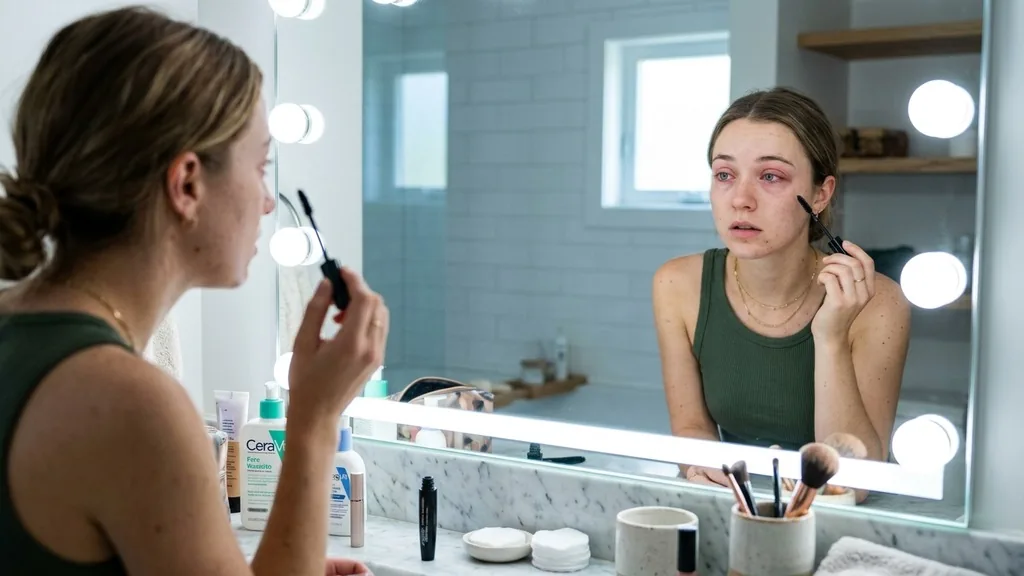
If you have ever found yourself dealing with red, itchy, or watering lids after applying your favorite lash-enhancing product, you may be wondering, can you be allergic to mascara? The short answer is yes, it is entirely possible to develop a sensitivity or an outright allergy to the components found in eye makeup.
While many people assume that their discomfort is simply a result of getting a stray fiber or dust particle in their eye, the reality is often a chemical sensitivity or a contact dermatitis reaction triggered by the specific formulation of the product you are using. Because the skin around the eyes is the thinnest and most delicate on the entire human body, it is exceptionally prone to reacting when it encounters harsh preservatives, fragrances, or metallic pigments.
Understanding why these reactions occur is the first step toward reclaiming your makeup routine. It is not always the mascara itself that is the culprit; sometimes, it is the accumulation of bacteria or the breakdown of chemical stabilizers over time.
As an expert in ocular health and cosmetic safety, I have seen countless cases where a simple switch in brands or a change in application habits completely resolves what patients previously believed to be a chronic eye infection or seasonal allergy. This article will break down exactly how these reactions manifest, why they happen, and what you can do to keep your lashes looking long and lush without the accompanying irritation.
Identifying the Symptoms of a Mascara Allergy
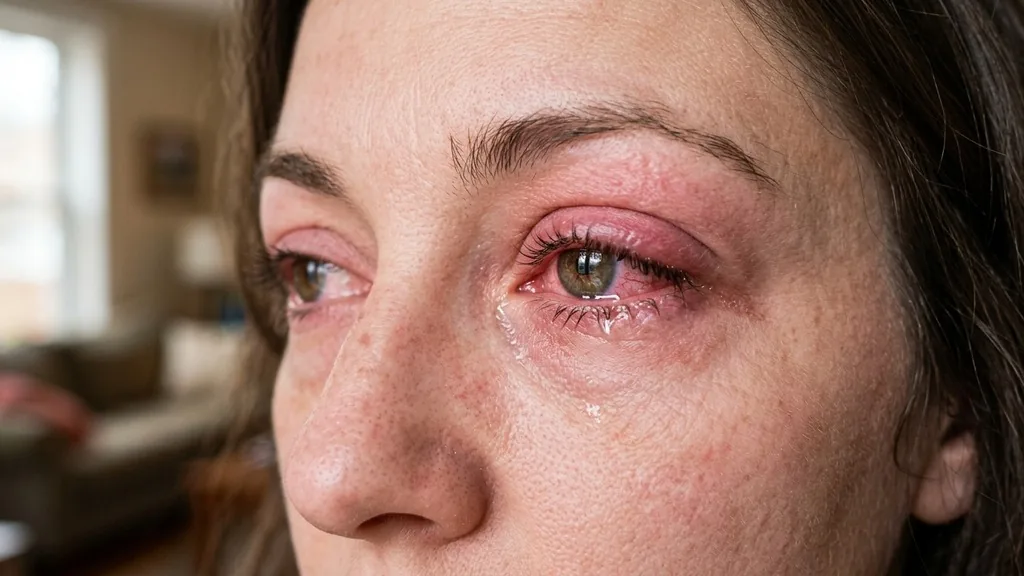
When you experience a reaction to eye makeup, the symptoms often mimic other common conditions, such as dry eye syndrome, seasonal hay fever, or viral conjunctivitis. Distinguishing between these can be difficult, but there are telltale signs that point specifically toward a cosmetic sensitivity.
The most common symptoms include persistent redness of the conjunctiva, swelling of the eyelids (blepharitis), and a sensation of grit or burning within the eye. In many cases, the irritation begins shortly after application, but delayed reactions can occur, making it tricky to pinpoint the exact product causing the issue.
The skin around your eyes is highly vascular, meaning that if an allergen penetrates the skin barrier, it can trigger an inflammatory response very quickly. You might notice flaking or crusting along the lash line, which is a classic sign of contact dermatitis.
Unlike a bacterial infection, which usually presents with sticky, yellowish discharge, an allergic reaction to mascara typically results in clear, watery tears and an intense, almost uncontrollable urge to rub your eyes. Frequent rubbing only exacerbates the issue, potentially leading to micro-abrasions on the cornea or further irritation of the surrounding skin.
If you find that your symptoms are localized to one eye, it is often a sign that you are applying more product to that side or that you have a habit of touching that eye more frequently. However, if the reaction is bilateral, it is almost certainly a reaction to the chemical composition of the mascara.
Pay attention to the timing; if your eyes feel fine in the morning but progressively worsen throughout the day as the mascara dries and potentially flakes into the eye, the culprit is likely the product’s formulation rather than an external environmental factor. Documenting how long it takes for the discomfort to start can provide your dermatologist or ophthalmologist with the critical information needed to make an accurate diagnosis.
Why Your Mascara Might Be Causing Irritation
The chemical landscape of modern cosmetics is complex, and many of the ingredients that make mascara effective are also the ones most likely to cause allergic reactions. Mascaras are engineered to be long-wearing, smudge-proof, and volumizing, which requires a specific cocktail of polymers, waxes, pigments, and preservatives.
Unfortunately, many of these substances are known skin sensitizers. For example, many waterproof mascaras contain volatile solvents or specialized resins that can be extremely drying to the delicate tissues of the eyelid.
Preservatives are arguably the most common cause of contact dermatitis in eye makeup. Because mascara comes in a tube that is opened and closed repeatedly, it is highly susceptible to bacterial contamination.
To combat this, manufacturers include powerful preservatives like parabens, formaldehyde-releasers (such as quaternium-15), and phenoxyethanol. While these are necessary to keep the product sterile, your immune system may flag them as foreign invaders, leading to a localized inflammatory response.
Furthermore, the pigments used to achieve that deep, dramatic black color—often derived from iron oxides or carbon black—can sometimes contain trace amounts of heavy metals like nickel or cobalt. Even if these metals are present in microscopic quantities, individuals with a pre-existing metal sensitivity may find that even a single application triggers a significant flare-up.
If you want to dive deeper into the science of eye health and cosmetics, you can read more about how to maintain healthy eyes via the American Academy of Ophthalmology. Understanding the chemical “why” behind your symptoms helps you make more informed purchasing decisions, shifting your focus toward cleaner, more minimalist ingredient labels.
Differentiating Between Sensitivity and Infection
One of the biggest mistakes people make when experiencing eye discomfort is assuming it is a bacterial infection. While both infections and allergies can cause redness and irritation, the clinical presentation is quite distinct.
Infections, such as bacterial conjunctivitis, are typically accompanied by thick, opaque discharge that can cause the eyelids to stick together, especially upon waking. In contrast, an allergy to mascara typically presents with clear, thin tearing and a sensation of stinging or heat.
The timeline of the issue is also a major clue. If you have been using the same mascara for two months without issue and suddenly develop symptoms, it is possible that your product has expired or become contaminated with bacteria. However, if you recently switched to a new brand or a “new and improved” formula, the issue is almost certainly an allergic reaction to a new ingredient.
You should also consider your skincare routine. Are you using a new eye cream or serum? Sometimes, the combination of a high-potency retinol eye cream and a standard mascara can create a “cocktail effect” that compromises the skin barrier, making you more susceptible to allergens that you might have tolerated in the past.
Key Differences at a Glance
| Feature | Mascara Allergy | Bacterial Infection |
|---|---|---|
| Discharge Type | Clear, watery | Thick, yellow, or green |
| Itchiness | Extremely high | Minimal to moderate |
| Onset | Often immediate or within hours | Gradual, over several days |
| Primary Cause | Chemical sensitivity | Pathogenic microbes |
Steps to Manage and Treat an Allergic Reaction
If you suspect you are currently having an allergic reaction to your mascara, the first and most important step is to stop using the product immediately. Do not try to “tough it out” or switch to a different brand of the same type of mascara while your eyes are still inflamed.
Your immune system is currently on high alert, and continuing to expose the area to cosmetic chemicals will only prolong the healing process. Gently but thoroughly remove the mascara using a fragrance-free, oil-based cleanser or a gentle micellar water designed for sensitive eyes, ensuring you do not rub the eyelid skin too harshly.
Once the product is removed, focus on soothing the area. A cool, damp compress applied to the closed eyes for 10 to 15 minutes can significantly reduce swelling and provide immediate relief from the burning sensation. If the irritation persists, an over-the-counter antihistamine can help manage the systemic allergic response, while preservative-free artificial tears can help flush out any residual debris and soothe the ocular surface.
It is vital to avoid the temptation to apply medicated creams, such as hydrocortisone, to the eyelids unless specifically directed by a doctor. The skin around the eyes is incredibly thin, and strong topical steroids can cause long-term damage, including thinning of the skin and an increased risk of glaucoma or cataracts if the medication enters the eye.
If the symptoms do not subside within 24 to 48 hours of ceasing all eye makeup use, it is time to consult a healthcare professional. They may prescribe a short course of topical non-steroidal anti-inflammatory drops or a mild, eyelid-safe topical ointment to calm the inflammation.
Selecting Safe Alternatives for Sensitive Eyes
Finding a mascara that works for you when you have a history of sensitivity can feel like a process of trial and error. The goal is to look for products that are formulated with minimal ingredients and are free from common irritants like fragrance, parabens, and certain synthetic dyes.
When shopping, look for labels that explicitly state “hypoallergenic,” “ophthalmologist-tested,” or “for sensitive eyes.” While these terms are not strictly regulated in the same way as medical devices, they generally indicate that the brand has taken extra steps to remove known allergens.
Consider the following strategies when selecting your next tube of mascara:
- Opt for tubing mascaras, which create polymer “tubes” around the lashes rather than painting them with waxes and pigments; these are generally easier to remove and less likely to flake into the eye.
- Avoid waterproof formulas whenever possible, as they require harsh solvents or heavy oil cleansers to remove, both of which can irritate sensitive skin.
- Look for mineral-based pigments rather than carbon black, which can sometimes be contaminated with heavy metals.
- Check the expiration date; mascara should be replaced every three months at the absolute latest, regardless of how much product is left in the tube.
- Prioritize products with fewer than 20 ingredients to reduce the statistical probability of encountering an allergen.
It is also worth noting that “natural” or “organic” does not always mean “allergy-friendly.” Many natural mascaras rely on botanical extracts, essential oils, or fruit waxes, all of which are common triggers for contact dermatitis. Always patch-test a new product on your inner forearm before bringing it near your eyes.
Apply a small amount, wait 24 hours, and observe for any redness, itching, or swelling. If your arm reacts, your eyes certainly will, too.
The Role of Proper Hygiene in Preventing Future Reactions
Even if you find a product that your skin tolerates well, your habits play a massive role in whether you develop an allergy over time. Many people unknowingly cause their own mascara allergy by failing to practice proper hygiene.
Mascara is a breeding ground for bacteria because it is a moist, dark environment that is introduced to the eye—an area naturally rich in microbes—every single day. When you pump the wand in and out of the tube, you are pushing air and bacteria into the product, which accelerates the breakdown of preservatives.
To minimize the risk of developing a sensitivity, never share your eye makeup with anyone else. Even if you trust your friends, their ocular microbiome is different from yours, and sharing products is the fastest way to introduce foreign bacteria that your eyes may react to.
Furthermore, always wash your face before applying makeup to ensure that your eyelids are free of oils, dirt, and residue from other skincare products. This prevents these substances from being trapped against the skin under a layer of mascara, which can create a breeding ground for irritation.
Lastly, be mindful of how you remove your makeup. Tugging and pulling at your lashes not only leads to lash loss but also damages the delicate skin of the lid, creating micro-tears that allow allergens to penetrate more easily. Use a gentle, downward motion to slide the product off the lashes.
If you are experiencing frequent reactions, consider switching to a “tubing” mascara that removes with warm water, as this eliminates the need for potentially irritating makeup removers. By treating your eyes with the same care you would accord a surgical site, you can significantly reduce the likelihood of developing chronic sensitivities.
Frequently Asked Questions
How can I tell if I am allergic to my mascara?
An allergic reaction typically manifests as redness, itching, swelling, and a burning sensation on the eyelids or within the eye. Unlike an infection, which produces thick discharge, an allergy usually causes clear, watery tearing. If symptoms appear shortly after application, it is likely a sensitivity to the product.
What ingredients in mascara most commonly cause allergies?
The most common culprits include preservatives like parabens and formaldehyde-releasers, synthetic fragrances, and metallic pigments like carbon black or iron oxides. Additionally, some users react to the specific resins and polymers used in waterproof formulas to ensure the product remains smudge-proof throughout the day.
Can I continue to use mascara if I have sensitive eyes?
Yes, you can, provided you choose products formulated for sensitivity. Look for hypoallergenic, fragrance-free, and ophthalmologist-tested formulas. Tubing mascaras are often a great alternative because they don’t flake and are easy to remove without harsh rubbing, which helps keep the eyelid skin healthy and intact.
Why would I suddenly become allergic to a mascara I have used for years?
Allergies can develop at any time due to a process called sensitization. Even if you tolerated an ingredient previously, your immune system can eventually flag it as a threat after repeated exposure. Additionally, manufacturers occasionally change their formulas, or your own skin barrier may have become compromised by other factors.


