

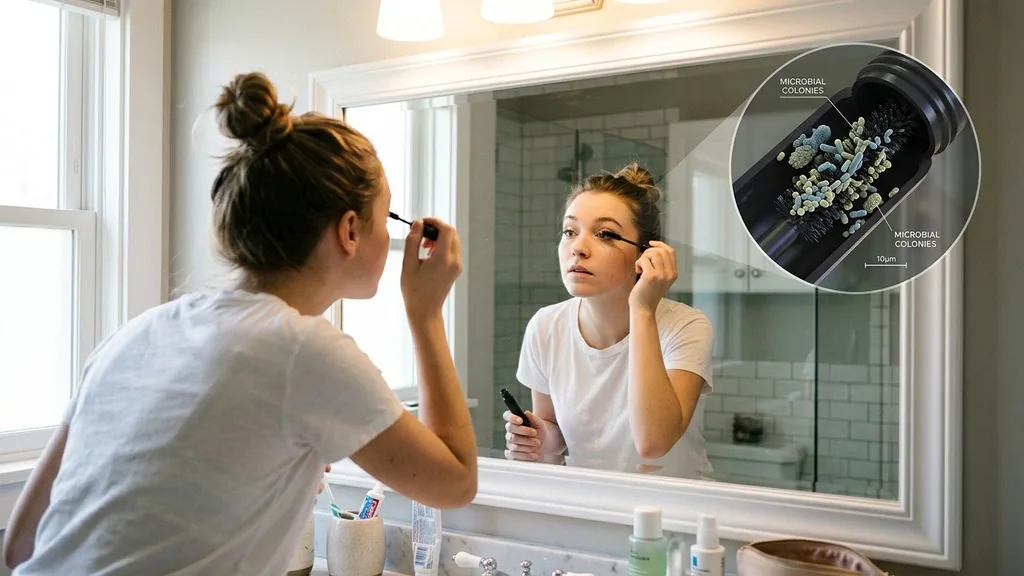
Many makeup enthusiasts ask the question, can mascara cause a stye? The short answer is yes, using mascara improperly or keeping it too long can significantly increase your risk of developing these painful, red bumps on your eyelids. A stye, clinically known as a hordeolum, is essentially an abscess or pimple that forms near the edge of the eyelid.
When you apply mascara, you are bringing a tool into direct contact with the sensitive skin and tiny oil glands along your lash line. If that tool is contaminated with bacteria or if the product itself has expired, you create the perfect environment for a localized infection to take root.
Understanding the relationship between your beauty routine and ocular health is vital. Many people treat mascara as a permanent fixture in their makeup bag, failing to realize that it is one of the most common vectors for bacterial transmission near the eye. By examining how these products interact with your anatomy, you can better protect your vision and keep your eyelids free from inflammation.
How Mascara Contributes to Eyelid Infections
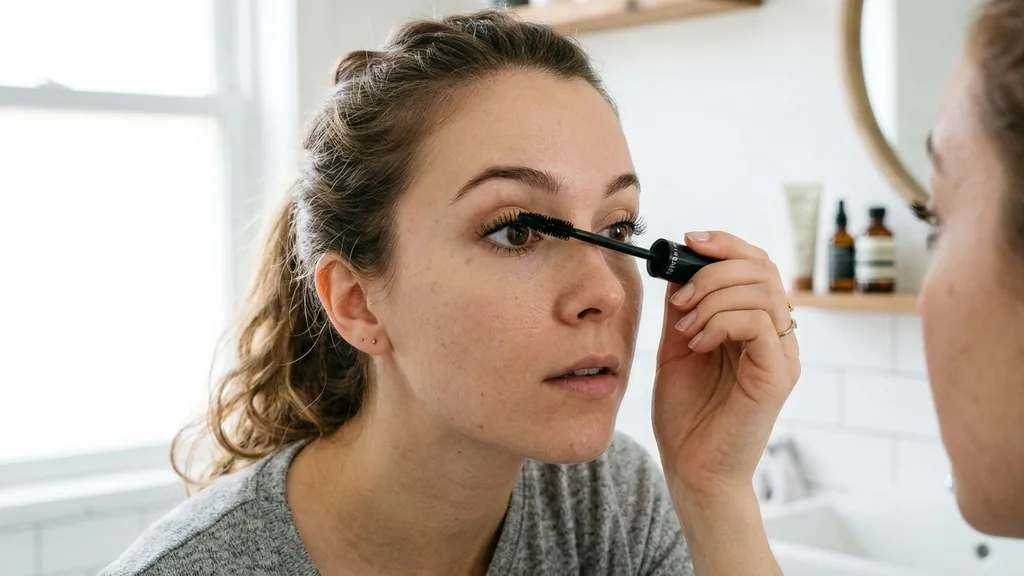
The primary reason mascara can lead to a stye is the accumulation of bacteria. Every time you pull the mascara wand out of the tube and apply it to your lashes, it picks up microscopic debris, skin cells, and natural oils from your eye area.
When you slide that wand back into the tube, you are effectively inoculating the remaining product with whatever was on your lashes. Over time, the tube becomes a warm, dark, and moist reservoir—the ideal breeding ground for microbial growth.
When you reapply this contaminated product, you are essentially painting bacteria directly onto your lash line. The human eyelid is lined with tiny oil glands (meibomian glands) that keep your eyes lubricated.
If these glands become blocked by debris or infected by the bacteria introduced by your makeup, the result is often a stye. The friction of the wand against the eyelid skin can also cause micro-abrasions, providing an easy entry point for pathogens to burrow into the tissue.
Furthermore, many mascaras contain preservatives that lose their efficacy over time. Once the seal of the tube is broken, air enters the container, and the chemical composition of the formula begins to degrade.
This degradation process not only changes the consistency of the makeup—leading to clumping and flaking—but also creates a chemical environment where bacteria can thrive despite the presence of stabilizers. Relying on old products is a leading cause of ocular irritation and persistent styes in makeup users.
The Role of Eye Hygiene and Makeup Habits
Your daily habits play a more significant role in your eye health than the brand of mascara you choose. Many people fall into the trap of poor hygiene practices, such as failing to remove their eye makeup before bed.
When you sleep in mascara, the product can flake off into the eye or migrate into the oil glands, creating a physical blockage. This stagnation overnight allows bacteria to proliferate against the delicate skin of the eyelid.
Another critical factor is the practice of sharing makeup. While it might seem harmless to let a friend borrow your mascara, this is one of the fastest ways to transmit staphylococcus bacteria from one person to another.
Each individual has a unique microbiome on their skin, and introducing foreign bacteria to your eye area can trigger an immune response that manifests as a stye. Even if your friend does not have a visible stye, they may be a carrier of bacteria that your eyes are not accustomed to handling.
It is also important to consider the environment where you store your products. Many people keep their makeup in a bathroom vanity, which is often a humid environment. High humidity accelerates the growth of mold and bacteria in liquid cosmetics.
Storing your mascara in a cool, dry, and dark place is a simple step that can reduce the risk of contamination significantly. Establishing a consistent cleaning routine for your makeup brushes and tools is also essential to prevent the cross-contamination of your eye area.
Signs and Symptoms of a Stye
Recognizing the symptoms of a stye early can prevent the condition from worsening. A stye typically begins as a small, tender bump on the edge of the eyelid, often appearing similar to a pimple.
As the infection progresses, the surrounding area may become swollen, red, and painful to the touch. You might also experience a gritty or “foreign object” sensation in the eye, along with increased tearing or light sensitivity.
It is crucial to distinguish between a stye and other common eye conditions like a chalazion or blepharitis. A chalazion is usually a painless, firm lump that results from a blocked gland, whereas a stye is almost always painful and inflammatory.
If you notice persistent swelling or if the bump begins to spread across the eyelid, it is time to consult an eye care professional. You can find more information on proper eye hygiene and identifying common conditions at the American Academy of Ophthalmology.
If you suspect your mascara has caused a stye, the first step is to stop using that product immediately. Continuing to apply makeup to an infected eye will only introduce more bacteria into the site and delay the healing process. While it is tempting to cover the redness with concealer or additional makeup, doing so is counterproductive and can lead to a secondary infection or a more severe inflammatory reaction.
Steps to Take After Developing a Stye
If you have already developed a stye, your priority should be to soothe the area and allow your body’s natural immune response to clear the infection. The most effective home treatment is the application of warm compresses.
Use a clean, soft cloth soaked in warm (not hot) water and hold it against the closed eyelid for 10 to 15 minutes, three to four times a day. This helps to liquefy the hardened oils blocking the glands and encourages the stye to drain naturally.
Do not attempt to squeeze or pop a stye like a pimple. The skin on your eyelids is extremely thin and delicate; attempting to force the drainage can cause the infection to spread into the deeper tissues of the eyelid, leading to a condition called preseptal cellulitis, which is much more serious and requires medical intervention.
You should also evaluate your current makeup collection. If you have been using a tube of mascara for more than three months, it should be discarded regardless of whether you have a stye.
If you develop a stye, you should discard all eye makeup products that you were using at the time the infection began, including eyeliners, eyeshadows, and mascara. Even if they seem clean, they are likely contaminated with the bacteria that caused the current infection, and keeping them will almost certainly lead to a recurrence.
- Stop using all eye makeup immediately upon noticing a stye.
- Discard any eye makeup products that were in use when the stye appeared.
- Apply warm, clean compresses to the affected eyelid multiple times daily.
- Avoid touching, rubbing, or picking at the eyelid bump.
- Switch to gentle, fragrance-free cleansers for the face to avoid further irritation.
- Wash your hands thoroughly before and after touching the eye area.
Choosing Safer Makeup Options
If you are prone to styes, you might want to adjust your product choices to minimize irritation. Look for products that are labeled “ophthalmologist-tested” and “hypoallergenic.” While these labels do not guarantee you will never develop an infection, they indicate that the product has undergone testing to ensure it is less likely to cause irritation or allergic reactions in the sensitive eye area.
Some people find that switching to tubing mascara is a better option. Unlike traditional wax-based mascaras that coat the lashes with heavy pigments, tubing mascaras create tiny, water-resistant “tubes” around each lash.
These tubes do not flake or smudge throughout the day, which reduces the likelihood of product debris entering the eye. They are also easier to remove, often requiring only warm water and gentle pressure, which minimizes the need for harsh makeup removers that can irritate the eyelid glands.
When selecting makeup, pay attention to the ingredient list. Avoid products with heavy fragrances or harsh preservatives, as these can disrupt the natural balance of the eyelid skin. If you wear contact lenses, you should be even more cautious, as lenses can trap debris and bacteria against the cornea, increasing the risk of more severe infections like conjunctivitis or corneal ulcers.
| Product Type | Risk Level | Best Practice |
|---|---|---|
| Traditional Mascara | Moderate/High | Replace every 3 months; avoid sharing |
| Tubing Mascara | Low | Easy removal; less flaking |
| Waterproof Mascara | Moderate | Requires oil-based remover; can clog glands |
| Expired Makeup | Very High | Discard immediately after 3 months |
Preventing Future Eye Infections
Prevention is the most effective way to manage the risk of styes. Beyond just discarding old makeup, you must treat your makeup application as a sterile process.
Always wash your hands before applying any product to your face. If you have a habit of applying makeup in the car or on the go, be particularly careful, as your hands may have picked up bacteria from steering wheels, door handles, or public surfaces.
Another often overlooked aspect of prevention is the removal process. Never sleep in your makeup. Use a gentle, oil-free makeup remover specifically formulated for the eye area.
Wipe from the inner corner of the eye toward the outer corner, and ensure that no residue remains along the lash line. If you wear heavy eye makeup, consider a double-cleansing method: use an oil-based cleanser to break down the pigments, followed by a gentle foaming cleanser to remove any remaining traces.
Finally, stay mindful of your body’s signals. If your eyes feel consistently irritated, dry, or itchy after using a specific product, stop using it immediately. Your eyes are highly sensitive, and your body is often the best judge of what is safe for your skin.
By maintaining a clean makeup kit, replacing your products on a strict schedule, and prioritizing hygiene, you can enjoy wearing mascara without the constant fear of developing a painful stye. Remember that your vision is precious, and no aesthetic benefit is worth compromising the health of your eyes.
Frequently Asked Questions
How long after a stye can I wear mascara?
You should wait until the stye has completely healed and all symptoms, including redness and swelling, have disappeared. This usually takes one to two weeks. Do not resume wearing eye makeup until you are symptom-free, and always start with brand-new products to avoid re-introducing bacteria.
Should I throw away my mascara after a stye?
Yes, you must discard any mascara, eyeliner, or eyeshadow you were using when the stye developed. These products are likely contaminated with the bacteria that caused the infection. Continuing to use them creates a high risk of the stye returning or spreading to your other eye.
Why do I get styes when I wear mascara?
Styes occur when oil glands in the eyelid become blocked or infected. Mascara can contribute to this by introducing bacteria into the eye area or by flaking off into the glands. If you use expired products or share makeup, the risk of bacterial contamination increases significantly.
What is the best way to clean my eyelid area?
The best way to clean your eyelid area is to use a gentle, fragrance-free cleanser or a dedicated eyelid scrub. Use a clean, warm washcloth to gently wipe away debris along the lash line. Avoid using harsh soaps or rubbing the eyes vigorously, as this can cause further irritation.


