

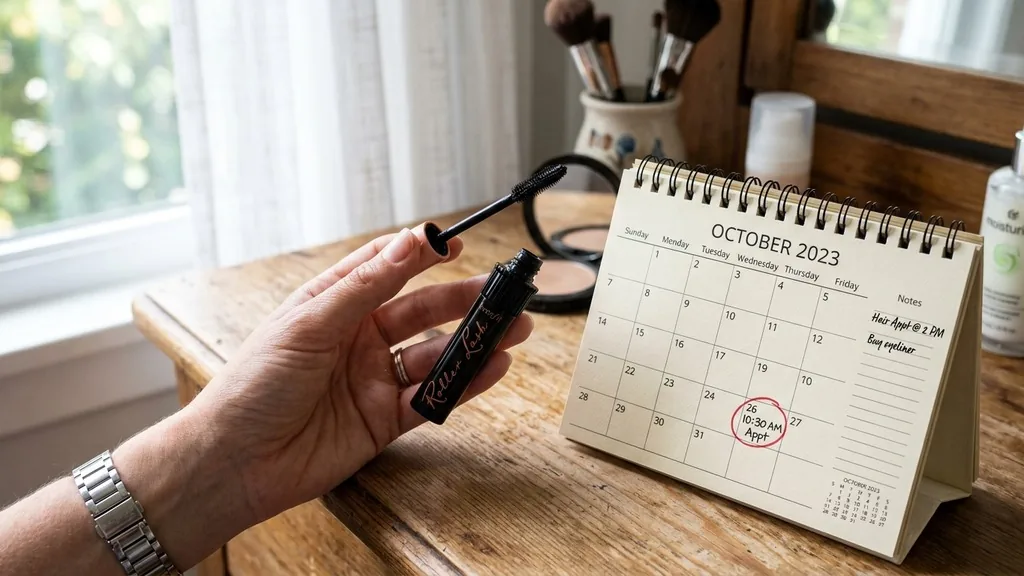
Maintaining eye health is a critical component of your daily beauty routine, yet many people overlook the expiration dates of their cosmetic products. Understanding how long should you keep mascara is not just about product quality; it is a fundamental aspect of preventing ocular infections and maintaining the integrity of the delicate skin around your eyes.
Because the eye is a highly sensitive organ, introducing aged, compromised substances near it can lead to significant discomfort, irritation, or even vision-threatening conditions. By adhering to strict replacement schedules, you ensure that the formula you apply remains effective, hygienic, and safe for long-term use.
The Recommended Lifespan of Your Mascara Tube
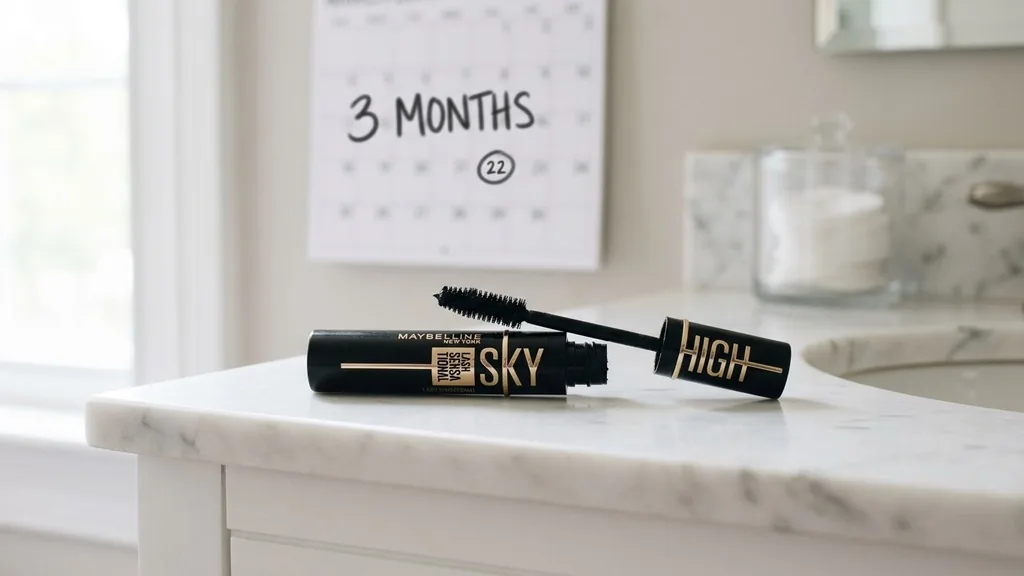
The general consensus among dermatologists and makeup professionals is that you should replace your mascara every three months. While some product packaging might suggest a shelf life of six months or more, these dates usually refer to the product while it is still factory-sealed. Once you open the tube, the clock begins ticking immediately.
Every time you pull the wand out to apply product, you are introducing air, moisture, and microscopic debris into the container. This cycle of use creates a perfect environment for microorganisms to thrive, effectively turning your favorite beauty tool into a potential breeding ground for pathogens.
When determining how long should you keep mascara, consider the physical structure of the product. Mascara is a water-based emulsion, which is inherently more susceptible to bacterial growth than oil-based or powder-based cosmetics. The dark, damp, and warm interior of the tube provides the ideal conditions for bacterial colonization.
While modern cosmetic formulations include preservatives to combat this, these chemical defenses degrade over time. By the three-month mark, the concentration of active preservatives is typically insufficient to keep the product sterile, making the risk of contamination significantly higher.
Identifying Signs of Expired Makeup
It is not always easy to tell if a product has gone bad, but your senses are usually the best indicators. If you notice any changes in the consistency, smell, or performance of your mascara, it is time to discard it immediately, regardless of how long it has been since you opened the tube.
A common sign of expiration is a shift in the scent; if your product develops a sharp, chemical, or “off” odor, the chemical balance of the formula has likely been compromised. Additionally, if the texture becomes clumpy, dried out, or stringy, the emollients and thickening agents have broken down, which can lead to flaking and uneven application.
Another red flag is the development of an uneven or separated formula. If you notice that the product looks oily or watery at the top and thick at the bottom, the emulsion has failed. Attempting to “revive” old mascara by adding water, saline solution, or eye drops is a dangerous practice that should be avoided at all costs.
Adding external liquids introduces new contaminants and further dilutes the preservatives, accelerating the bacterial growth process. If the product is not performing as it once did, it is simply time to move on to a fresh unit.
Risks Associated with Using Old Beauty Products
The primary danger of keeping mascara past its prime is the risk of bacterial infection. The most common culprit is Staphylococcus aureus, a type of bacteria naturally found on human skin that can cause severe inflammation or conjunctivitis (pink eye) if introduced into the eye.
Because the eye lacks the same protective barrier as the skin on your hands or face, it is highly vulnerable to infection. When you use an expired product, you are essentially painting your lashes with a concentrated solution of microbes that have been multiplying in the tube for weeks.
Beyond bacterial infections, old makeup can cause chronic inflammation of the eyelid margin, a condition known as blepharitis. Symptoms often include redness, swelling, itching, and the formation of crusty debris at the base of the lashes. If left untreated, this can lead to blocked oil glands, styes, and even damage to the cornea.
According to the Food and Drug Administration, maintaining the safety of your eye makeup is a shared responsibility between the manufacturer and the consumer. While brands must ensure their formulas are stable, you must ensure you are not using products that have exceeded their hygienic lifespan.
Proper Storage and Handling Practices
To maximize the longevity of your mascara, you must treat the product with care. Many people inadvertently shorten the life of their makeup through improper handling. One of the most common mistakes is “pumping” the wand in and out of the tube.
This action forces excess air into the container, which accelerates the oxidation of the formula and encourages the drying process. Instead of pumping, gently swirl the wand inside the tube to pick up the product. This simple change in technique can help maintain the integrity of the formula for the full three months.
Storage conditions also play a significant role in product health. Many people store their makeup in the bathroom, where humidity levels fluctuate wildly due to hot showers and steam. This moisture can seep into the tube, creating an environment that favors bacterial growth.
It is much better to store your mascara in a cool, dry place away from direct sunlight. High temperatures can cause the chemical components of the formula to break down prematurely. Keeping your makeup in a dedicated vanity or a cool drawer ensures that the product remains stable and effective for its intended duration.
Comparison of Makeup Lifespans
It is helpful to understand how mascara compares to other beauty products in your kit. While some items can last for a year or more, products that come into contact with the eyes or mucous membranes generally have much shorter lifespans due to the high risk of contamination. The following table provides a general guideline for the replacement of common makeup items to help you keep your vanity organized and safe.
| Product Category | Average Replacement Time |
|---|---|
| Mascara | 3 Months |
| Liquid Eyeliner | 3-4 Months |
| Cream Eyeshadow | 6 Months |
| Powder Eyeshadow | 1-2 Years |
| Lip Gloss | 1 Year |
| Foundation | 6-12 Months |
As shown in the table, liquid products that interact with the eyes require the most frequent replacement. This is because these products are almost always water-based and are applied to areas with high bacterial exposure.
In contrast, powder products do not contain the water that bacteria need to survive, allowing them to remain safe for much longer. Always prioritize the replacement of your eye-related products, as these pose the most direct risk to your ocular health.
Common Myths and Topical Gaps
There is a persistent myth that if you do not wear makeup every day, you can keep your mascara for much longer. This is incorrect. The countdown begins the moment the seal is broken and the tube is exposed to the air.
Even if you only use the product once a week, the bacteria that entered the tube during the first use will continue to proliferate over time. Furthermore, the preservatives within the formula have a shelf life that starts at the time of manufacture and continues regardless of use. Keeping a tube for six months or a year just because it still looks “full” is a false economy that puts your health at risk.
Another common question is whether it is acceptable to use sample-sized mascaras for longer periods. In reality, the smaller size does not grant you an extension. In fact, smaller tubes may have less robust preservative systems compared to full-sized counterparts, meaning they might actually need to be replaced sooner.
Always treat every tube as a perishable item. If you find that you are constantly throwing away half-used full-sized tubes, consider purchasing travel-sized versions to minimize waste while ensuring you are always using a fresh, safe formula.
Strategies for Maintaining Eye Hygiene
Beyond just replacing your mascara on time, there are several habits you can adopt to keep your eyes safe. First, never share your eye makeup with anyone else.
Even with friends or family, sharing mascara wands can transmit bacteria, viruses, and fungi directly into the eye. If you are having your makeup done professionally, ensure the artist uses disposable wands and a clean palette rather than applying directly from the tube.
It is also essential to remove your makeup every single night. Sleeping in your mascara is one of the most common ways to cause irritation and eye damage. As you sleep, your eyes move, and the dried product can flake off into the eye, causing micro-abrasions on the cornea.
Furthermore, leaving product on the lashes can clog the meibomian glands—the tiny oil glands along the eyelid margin—which are essential for maintaining the tear film that keeps your eyes comfortable. By removing your makeup thoroughly with a gentle, eye-safe cleanser, you give your eyes the chance to recover and stay healthy.
If you wear contact lenses, you need to be even more vigilant. Contact lenses can trap bacteria and debris against the surface of the eye, significantly increasing the risk of severe infections like keratitis if you use expired or contaminated makeup. Always apply your makeup after inserting your lenses and remove your lenses before washing your makeup off.
If you experience any persistent redness, tearing, or blurred vision, stop using all eye products immediately and consult an eye care professional. Your vision is irreplaceable, and no beauty trend is worth the risk of a serious ocular complication.
Frequently Asked Questions
How often should I replace my mascara?
You should replace your mascara every three months. This timeframe is the industry standard because the preservatives in the formula begin to break down after opening, and the tube becomes a potential environment for bacterial growth that can cause eye infections.
Can I use mascara that is two years old?
No, you should never use two-year-old mascara. Even if the product appears to be in good condition, it is likely heavily contaminated with bacteria. Using such an old product significantly increases your risk of developing conjunctivitis, styes, and other serious eye infections.
What happens if you use old mascara?
Using expired mascara can lead to eye irritation, redness, itching, and swelling of the eyelids. In more severe cases, it can cause bacterial infections like pink eye or even corneal damage. If you notice any discomfort after applying old makeup, discontinue use immediately.
How do I know if my mascara has expired?
Look for changes in smell, texture, or performance. If the mascara has a sharp or strange odor, has become clumpy and dry, or shows signs of separation, it has expired. If you cannot remember when you opened it, it is safer to discard it.


