

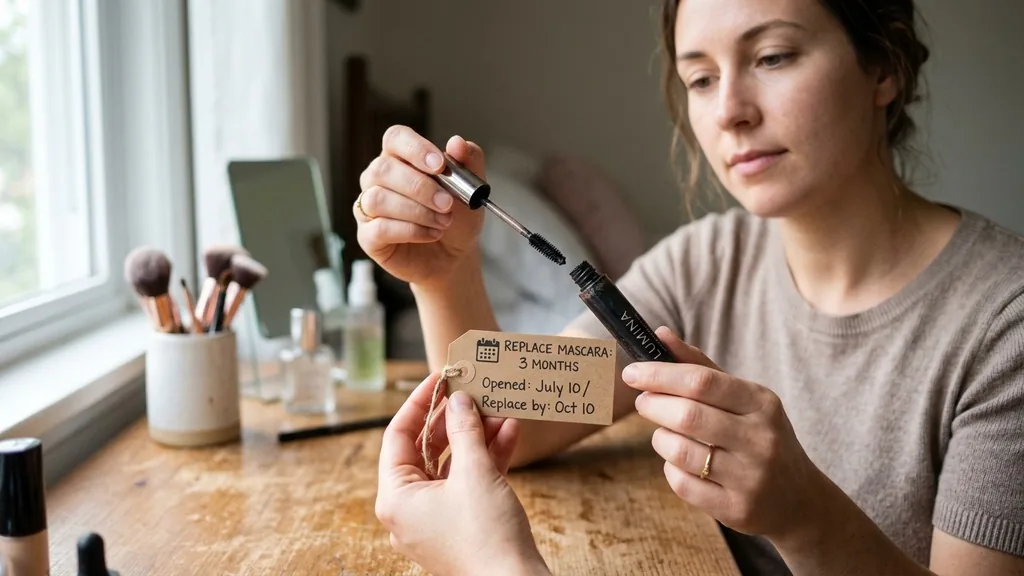
Most of us have a favorite tube of mascara that we reach for every single morning. It’s the finishing touch that pulls a look together, adding volume, length, and definition to our lashes. However, many beauty enthusiasts overlook the expiration date of their cosmetics, specifically when it comes to eye products.
If you are wondering how often should you replace your mascara, the consensus among dermatologists and makeup professionals is clear: you should replace it every three months. Holding onto a product for too long isn’t just a matter of cosmetic performance; it’s a significant concern for your ocular health.
Understanding the Three-Month Rule for Mascara
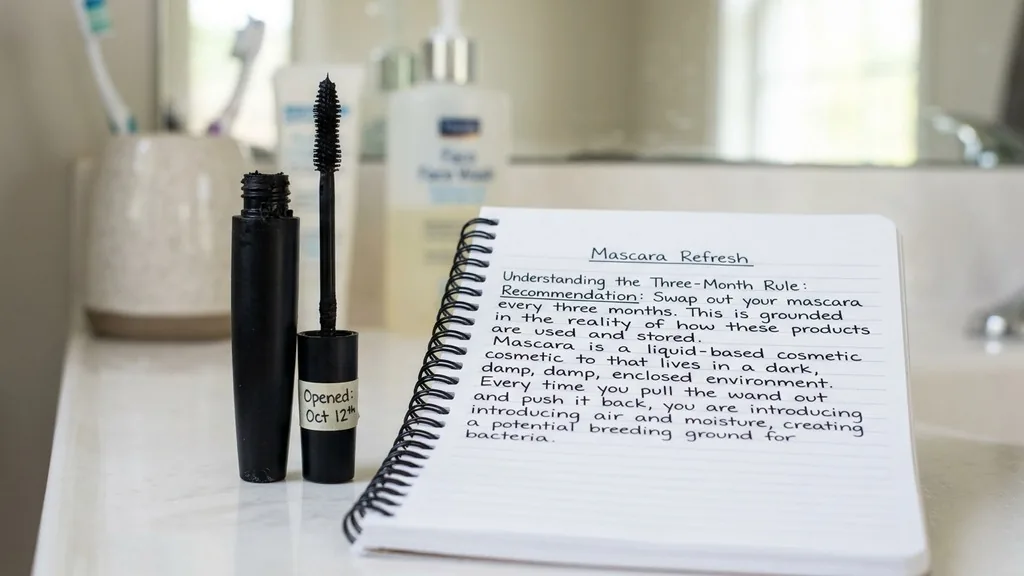
The recommendation to swap out your mascara every three months is grounded in the reality of how these products are used and stored. Mascara is a liquid-based cosmetic that lives in a dark, damp, and enclosed environment. Every time you pull the wand out and push it back in, you are introducing air, moisture, and potentially tiny particles of dust or debris into the tube.
This creates an ideal breeding ground for bacteria. While modern formulas often contain preservatives to mitigate microbial growth, these preservatives have a limited lifespan. Once they break down, the product is no longer protected, and the risk of contamination increases substantially.
Beyond the microbial risk, the chemical stability of the formula changes over time. Mascara is designed to have a specific viscosity and texture. As you use the product, the repeated exposure to air causes the formula to oxidize and dry out.
You might notice that your mascara starts to clump, flake, or become difficult to apply evenly. When you try to “rescue” a dry mascara by adding water or oil, you are further destabilizing the preservative system, making it even easier for pathogens to thrive. Adhering to the three-month timeline ensures that you are always using a product that performs as the manufacturer intended while minimizing the chances of irritation.
The Hidden Risks of Expired Eye Makeup
Using expired makeup, particularly products applied near the waterline, can lead to uncomfortable and sometimes serious eye infections. The eyes are incredibly sensitive, and the skin around them is thin and prone to allergic reactions.
When you apply a mascara that has passed its prime, you are essentially brushing a colony of microbes directly onto your lashes and the base of your hair follicles. Common issues associated with old mascara include conjunctivitis, styes, and chronic inflammation of the eyelid, known as blepharitis.
Symptoms of an infection often include redness, itching, burning, or a gritty sensation as if there is sand in your eye. In more severe cases, you may experience discharge, swelling, or blurred vision. It’s important to note that even if your eyes don’t feel irritated, they could still be harboring bacteria that are slowly causing low-level inflammation.
By keeping your makeup routine fresh and adhering to strict replacement schedules, you protect the delicate ecosystem of your eyes. If you ever experience an eye infection, you must discard all eye makeup used during that period immediately, as the applicators are likely contaminated and will re-infect you upon your next use.
How to Identify if Your Mascara Is Expired
While the three-month rule is the gold standard, there are instances where you might need to toss your mascara even sooner. If you notice a change in the smell of the product—often described as a sharp, chemical, or “off” odor—this is a primary indicator that the preservatives have failed and the product has turned. Another telltale sign is a change in the texture.
If the mascara has become thick, goopy, or develops a stringy consistency that is impossible to smooth out, it’s time for a replacement. Flaking is also a major red flag; if you find black specks under your eyes throughout the day, the formula is likely degraded.
To help you stay organized, consider the following signs that it is time to say goodbye to your current tube:
- The mascara has a distinct, unpleasant, or sour smell.
- You have had an eye infection or irritation since you started using the tube.
- The formula has dried out, causing excessive clumping during application.
- The texture has separated, and shaking the tube doesn’t restore its original consistency.
- You have passed the three-month mark since you first opened the seal.
Proper Storage and Habits to Extend Product Longevity
While you can’t make a mascara last forever, how you handle your tools makes a difference in whether it lasts until the three-month mark or expires early. Many people have a habit of “pumping” the wand into the tube to pick up more product. This is one of the worst things you can do for your mascara.
Pumping forces air into the tube, which accelerates the oxidation process and dries out the formula significantly faster than normal use. Instead, gently swirl the wand inside the tube to coat the bristles.
Storage is another critical factor. Storing your makeup in a bathroom where it is exposed to steam from showers and frequent temperature fluctuations can degrade the formula. Keep your mascara in a cool, dry place, such as a vanity or a bedroom drawer, away from direct sunlight.
Additionally, never share your mascara with anyone else. Eye makeup is highly personal, and sharing wands is the fastest way to transmit bacteria from one person to another. By adopting these habits, you ensure that your product remains safe and effective for the duration of its intended life.
Comparing Expiration Timelines for Makeup Products
Understanding how often you should replace your mascara is part of a larger commitment to hygiene across your entire makeup collection. Other products have different lifespans based on their formulation and intended application area.
Liquid products, which contain water, generally have the shortest shelf life because they are more susceptible to microbial growth compared to powder-based products. Below is a breakdown of typical replacement intervals for common beauty items to help you maintain a healthy routine.
| Makeup Product | Recommended Replacement Time |
|---|---|
| Mascara | 3 Months |
| Liquid Eyeliner | 3 Months |
| Cream Foundation | 6 to 12 Months |
| Powder Blush/Eyeshadow | 18 to 24 Months |
| Lip Gloss/Lipstick | 12 to 18 Months |
Addressing Topical Gaps: Water-Resistant vs. Waterproof Mascara
A common question that arises is whether waterproof formulas last longer than standard ones. The short answer is no. While waterproof mascara is formulated to resist moisture, the preservatives inside the tube are still subject to the same degradation process as non-waterproof versions.
The time limit remains the same. In fact, some people find that waterproof formulas dry out slightly faster because the solvents used to make them water-resistant can be more volatile.
Another nuance is the use of natural or organic mascaras. These products often contain fewer synthetic preservatives, which means they may be even more prone to bacterial growth. If you prefer “clean” beauty brands, be extra vigilant about the three-month rule.
Some of these products might even suggest a shorter lifespan, such as two months. Always check the packaging for a symbol that looks like an open jar with a number inside; this is the PAO (Period After Opening) indicator, which tells you exactly how many months the manufacturer guarantees the product’s safety.
The Impact of Application Techniques on Eye Health
How you apply your makeup influences how long your product stays clean. Many people apply mascara after using heavy creams or facial oils. If these products transfer from your eyelashes onto the wand and back into the tube, they can contaminate the mascara formula.
To prevent this, try to let your skincare absorb fully before applying eye makeup. If you notice your mascara is picking up residue, you can wipe the wand with a clean, dry tissue before putting it back in the tube, though this should be done sparingly to avoid introducing more bacteria.
It is also essential to remove your mascara thoroughly every night. Leaving residue on your lashes can lead to breakage and irritation. Use a gentle, oil-based cleanser or a dedicated eye makeup remover to dissolve the product without tugging at the delicate skin around your eyes.
For more information on maintaining ocular health, you can visit the American Academy of Ophthalmology which provides official guidance on cosmetic safety. When you prioritize clean removal, you avoid the buildup of old product that can irritate the eyes the next day.
Why You Should Not Try to Save Dried-Out Mascara
There is a persistent myth that adding a few drops of saline solution, contact lens solution, or even water to a dry tube of mascara will “revive” it. This is a dangerous practice that should be avoided entirely. Adding liquid changes the chemical composition of the preservative system.
By diluting the preservatives, you are effectively turning off the product’s ability to fight off bacteria. You might get a few more days of use, but you are drastically increasing the risk of an infection.
Furthermore, this practice rarely yields the results you want. The mascara will likely become clumpy, smudge easily, and fail to provide the lengthening or volumizing effect you expect. It is far better to invest in a fresh tube than to risk the health of your eyes for the sake of a few extra applications.
If you find your mascara is drying out before the three-month mark, consider whether you are pumping the wand or leaving the cap loose. Tightening the cap securely after every use is a simple step that goes a long way in preserving the formula’s integrity until it is time to replace it.
Frequently Asked Questions
- Can I keep my mascara longer if I haven’t used it every day? No, the three-month expiration clock starts the moment you open the seal and expose the formula to air. Even if you only use it once a week, the bacteria will still colonize the product over time, making it unsafe to use after the recommended period.
- Does the price of the mascara change how often it should be replaced? No, the price does not dictate the safety of the product. Whether you buy a budget-friendly option or a high-end luxury brand, the chemical preservatives are limited in their lifespan. Always replace your mascara within three months, regardless of how much you paid for it.
- What should I do if I get an eye infection? If you develop an eye infection, stop using all eye makeup immediately. Discard the mascara, eyeliner, and eyeshadow you were using. Once your eyes have completely healed, replace those items with entirely new products to avoid reinfection from the contaminated applicators.
- Is there a way to sterilize mascara wands? While you can wash and reuse spoolies for grooming your eyebrows, you cannot effectively sterilize a mascara wand that has been inside a contaminated tube. The bacteria reside within the formula inside the tube itself, so cleaning the wand alone is not sufficient to make the product safe.


