

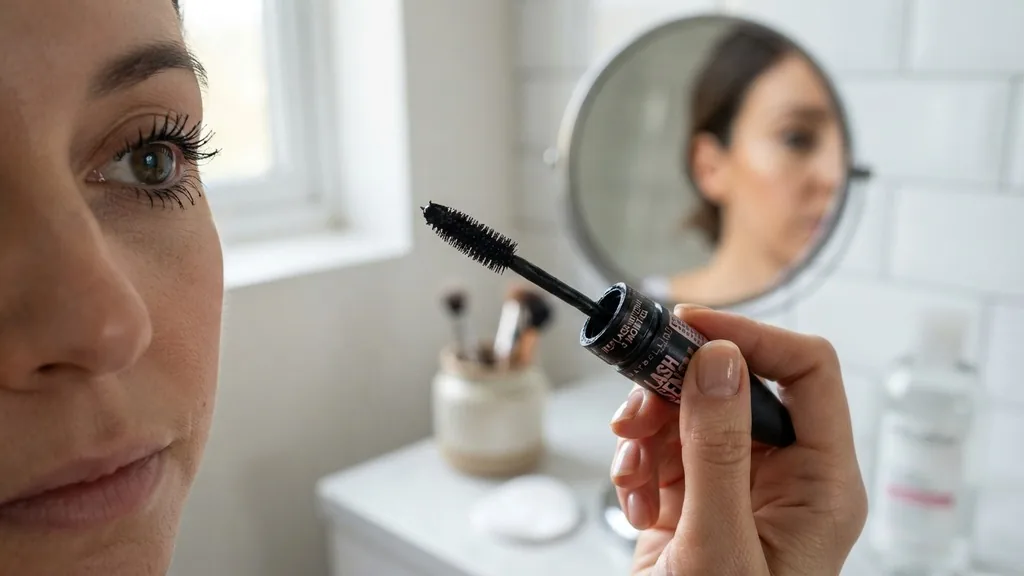
Knowing how often to replace mascara is a fundamental aspect of eye health that many beauty enthusiasts overlook. While it might be tempting to use every last drop of your favorite product, the reality is that your mascara tube acts as a breeding ground for microorganisms. Experts generally recommend that you replace your mascara every three months to prevent the buildup of harmful contaminants that can lead to irritation or infections.
Because your eyes are particularly sensitive, they require a higher standard of hygiene than other areas of your face. Once you open a tube, the protective preservatives begin to degrade, and the constant exposure to the air—and your eyelashes—introduces foreign matter into the product. Sticking to a strict replacement schedule is the most effective way to protect your vision and ensure your makeup application remains hygienic and effective.
The Three-Month Rule for Eye Makeup Safety
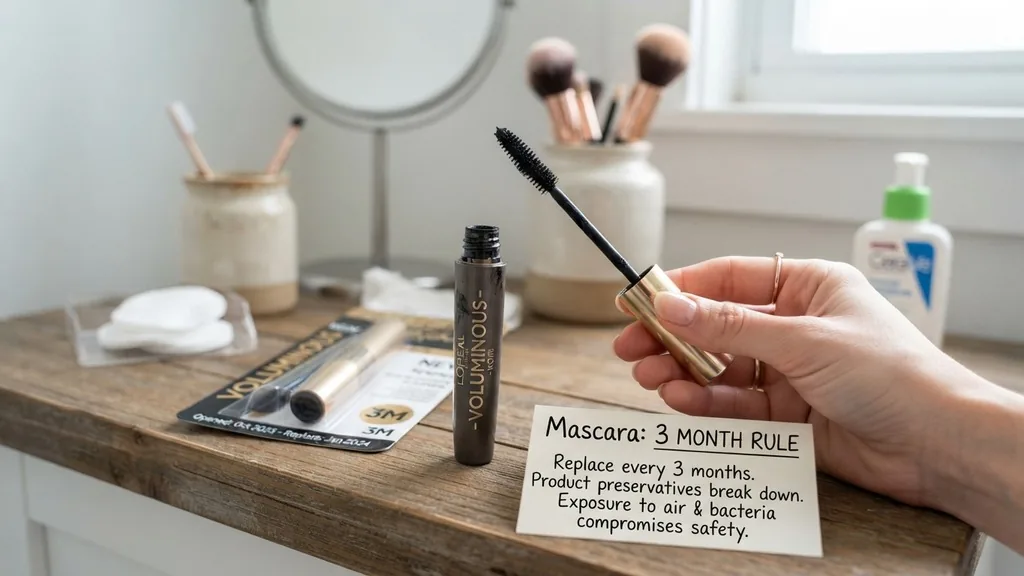
The standard recommendation for replacing mascara is every three months because the product’s preservative system loses its effectiveness after this period. Once the seal is broken, the product is exposed to oxygen and potential contaminants every time you pull the wand out. Over time, these exposures compromise the stability of the formula, making it increasingly difficult for the product to remain sterile.
Many people wonder if they can extend the life of their product if they don’t use it every day. Unfortunately, the countdown begins the moment the air enters the tube for the first time, not based on how many times you actually apply it.
Even if you only wear makeup on weekends, the chemical degradation and bacterial accumulation within the wand and tube occur regardless of usage frequency. Using an expired product increases the risk of developing conditions like conjunctivitis, commonly known as pink eye, which can be painful and require medical intervention.
Why Bacteria Accumulate Inside Mascara Tubes
Bacteria thrive in the dark, moist, and nutrient-rich environment inside a mascara tube. Every time you insert the wand back into the tube, you are effectively pumping air and microscopic debris from your eyelashes into the container.
This process, often called “pumping” the wand, accelerates the introduction of contaminants. Over the course of several weeks, these microorganisms multiply, turning a simple beauty tool into a reservoir for potential pathogens.
The skin around your eyes naturally hosts a variety of bacteria, and these microbes are transferred onto the mascara wand during every application. Once inside the tube, they find a perfect home where the formula provides a steady supply of moisture.
Because the area around the eye is a mucus membrane, it is highly susceptible to infections. If you notice your mascara has developed a strange odor, changed texture, or is causing redness or itching, you should discard it immediately, regardless of how long you have owned it.
Recognizing the Signs of Expired Makeup
You should throw away your mascara if it exhibits any signs of spoilage, even if it hasn’t reached the three-month mark. Common indicators include a change in consistency, such as the formula becoming clumpy, dry, or stringy. When a product begins to dry out, it often becomes flaky during application, which can cause small particles to fall into your eye, leading to mechanical irritation.
Another major red flag is an unusual smell. Fresh mascara usually has a mild, chemical, or slightly waxy scent. If your tube starts to smell sour, metallic, or simply “off,” it is a clear sign that the chemical composition has broken down.
Furthermore, if you experience any persistent stinging, burning, or watery eyes after application, stop using the product immediately. Your comfort and health should always take precedence over the cost of a beauty item. You can find more information about identifying potential eye irritants at the American Academy of Ophthalmology guidelines on cosmetic safety.
Proper Storage Techniques to Extend Product Quality
While you cannot stop the clock on expiration, you can maintain the quality of your mascara by storing it correctly. Avoid keeping your makeup in the bathroom, where the high humidity and fluctuating temperatures create an environment that encourages bacterial growth. A cool, dry, and dark place, such as a bedroom vanity or a dedicated makeup drawer, is much better for preserving the integrity of the formula.
Always ensure the cap is screwed on tightly after every use to minimize the amount of air exposure. If you find that your mascara is drying out prematurely, avoid the common mistake of adding water, saliva, or oils to the tube to “revive” it.
Doing so introduces new bacteria and further destabilizes the preservatives, making the product unsafe to use. If it is dry, it is time for a replacement.
The Risks of Sharing Eye Makeup
Sharing mascara is one of the most dangerous habits in beauty routines. Because the wand touches the delicate tissue of the eye, it can pick up bacteria and viruses that are unique to the user.
When you share a tube, you are directly transferring those microbes to another person, and vice-versa. This is an easy way to spread infections like viral conjunctivitis or styes.
Even if you are only sharing with a family member or a close friend, the risk remains. You cannot see bacteria with the naked eye, so a product can look perfectly fine while harboring pathogens.
If you are ever at a makeup counter or a beauty store, never use the communal testers directly on your eyes. Always use disposable wands and ensure that the tester product itself is being handled according to strict safety protocols.
Understanding the Impact of Formula Types
Different mascara formulas have varying lifespans, though the three-month rule remains the safest guideline. Waterproof formulas, for instance, are designed to be more resistant to moisture, but they are not immune to bacterial contamination. Natural or organic mascaras, which often contain fewer synthetic preservatives, may actually spoil even faster than traditional options.
If you prefer organic beauty products, pay very close attention to the expiration date on the packaging. These products often rely on natural preservation methods that are less robust than synthetic alternatives. Always check the “period after opening” (PAO) symbol on the product label, which is a small icon of an open jar with a number followed by an “M,” indicating how many months the product is safe to use once opened.
Comparison of Makeup Replacement Timelines
Maintaining a consistent schedule for all your makeup items helps keep your entire routine sanitary. The following table provides a general guideline for how long you should keep various eye and face products before refreshing them.
| Makeup Category | Recommended Replacement Time |
|---|---|
| Mascara | 3 Months |
| Liquid Eyeliner | 3 Months |
| Cream Eyeshadow | 6 Months |
| Powder Eyeshadow | 1 to 2 Years |
| Foundation (Liquid) | 6 to 12 Months |
| Lipstick | 1 Year |
As indicated in the table, products that are liquid or cream-based generally expire faster than powders because they provide a more hospitable environment for bacterial growth. Always prioritize eye products, as they pose the highest risk to your health.
Addressing Common Misconceptions About Mascara Use
There are many myths surrounding mascara, such as the idea that “pumping” helps get more product on the brush. In reality, this action only pushes more air into the tube, which dries out the formula and invites airborne contaminants.
Another misconception is that if your eyes don’t hurt, the mascara must be fine. Just because you haven’t had an infection yet doesn’t mean your product isn’t harboring colonies of bacteria that could eventually cause an issue.
Some users also believe that expensive, high-end mascaras last longer than budget options. Price point does not correlate with the longevity of preservatives. Regardless of whether you spend five dollars or fifty dollars, the biological reality of the product remains the same.
Once the seal is broken, the clock starts ticking. It is better to view mascara as a consumable item that requires regular maintenance rather than a permanent tool.
Developing a Sustainable Replacement Routine
To stay consistent, consider marking the date you open a new tube of mascara on the bottom of the container with a permanent marker or a small piece of tape. This simple habit removes the guesswork and ensures you aren’t relying on memory.
When the date arrives, discard the old tube and replace it with a fresh one. This practice also helps you identify which products you actually use frequently and which ones you might be overbuying.
If you find that you rarely finish a full-sized tube before the three-month mark, consider purchasing “mini” or travel-sized mascaras. They are often more cost-effective if you end up throwing away half-full tubes, and they are much easier to finish within the recommended timeframe. By adjusting your purchasing habits, you can maintain high hygiene standards without unnecessary waste.
Topical Gaps: Addressing Specific User Concerns
Many people ask if wearing mascara on the lower lashes ages the eyes or increases the risk of infection. While it doesn’t necessarily “age” you, applying product to the lower lash line brings the formula much closer to the waterline, which is where the eye is most sensitive.
If you have watery eyes, the mascara can transfer to the skin or get into the eye itself, causing irritation. If you choose to wear it on your lower lashes, ensure your technique is precise and that you are using a fresh, high-quality product to minimize the risk of flakes entering the eye.
Another common question is whether you should replace mascara after having an eye infection. The answer is a definitive yes. If you have had pink eye, a stye, or any other eye-related condition, throw away every eye makeup product you were using at the time.
Reusing a contaminated wand will almost certainly lead to reinfection. It is a small price to pay to ensure your eyes have the best chance to heal completely.
Frequently Asked Questions
- How can I tell if my mascara is expired? Look for changes in texture like clumping, dryness, or a stringy consistency. If the product develops an unusual, sour, or metallic smell, it has likely expired and should be discarded immediately to prevent potential eye infections or irritation.
- Is it okay to use mascara for longer than three months? No, it is not recommended. After three months, the preservatives in the formula lose their effectiveness, and the tube likely contains a significant amount of bacteria. Using it longer increases the risk of eye infections, redness, and discomfort, regardless of how it looks.
- Can I add water to my dry mascara to make it last longer? You should never add water, saliva, or any other liquid to your mascara. This introduces new bacteria into the tube and further destabilizes the formula, significantly increasing the risk of an eye infection. When it gets dry, it is time to replace it.
- Should I throw away my mascara after an eye infection? Yes, absolutely. You must discard all eye makeup products used during the time you had the infection. Reusing these products will almost certainly lead to reinfection, as the bacteria or virus will remain on the wand and inside the tube.


