

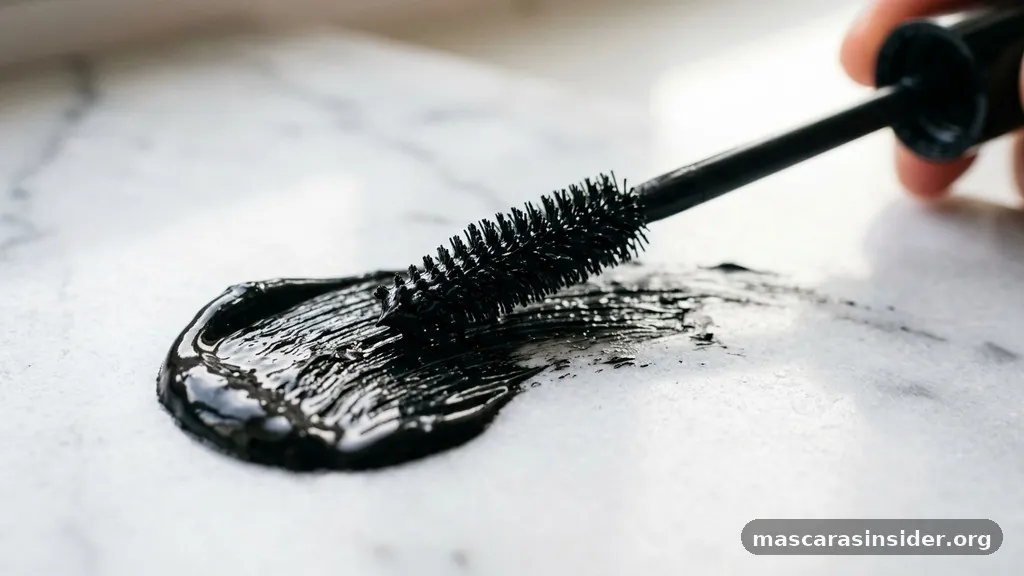
Ever swiped on your favorite tube and wondered what is mascara made out of? You’re not alone. Millions of people apply this everyday cosmetic to darken and lengthen their lashes, yet most have no clue what’s actually inside that little tube.
The short answer: most modern mascara is a blend of water, waxes, pigments like carbon black, oils, and preservatives. But there’s a lot more nuance to it, and yes, we’ll finally settle that rumor about bat poop too.
Whether you’re curious about harmful ingredients, hunting for a vegan option, or just want to know what you’re putting near your eye every morning, this breakdown covers the essentials. Let’s get into the real ingredients, the myths, and how the whole formula comes together.
The Core Ingredients in Mascara

At its heart, mascara is an emulsion — basically a mix of water-based and oil-based components held together so they don’t separate in the tube. The exact recipe varies from brand to brand, but nearly every formula relies on the same handful of building blocks. Understanding these helps you read a label without your eyes glazing over.
Here’s what typically goes into the average product:
- Pigments: This is where the color comes from. Carbon black and iron oxides give mascara its dark, dramatic tone. Carbon black is the most common pigment for that deep black look.
- Waxes: Beeswax, carnauba wax, and candelilla wax add thickness and help the formula cling to lashes. These waxes are what let mascara build volume and hold a curl.
- Water: The base of most non-waterproof formulas. It keeps the texture smooth and spreadable.
- Oils: Mineral oil, castor oil, or plant-based oil condition the lashes and keep the mascara from drying out too fast in the tube.
- Film-formers and polymers: These help the coating stick and, in waterproof versions, resist smudging and tears.
- Preservatives: Because water plus warmth equals bacteria, a preservative is essential to keep the tube safe over its shelf life.
When you make a batch of mascara commercially, these ingredients get heated, blended, and cooled into that familiar paste. The ratio of wax to water to pigment determines whether you get a lengthening, volumizing, or defining effect. So the next time someone asks what mascara made of, you can rattle off the real list instead of the internet myths.
Is Mascara Made Out of Bat Poop? Debunking the Myth
No, mascara is not made out of bat poop — and it never really was in the way people imagine. This is easily the most persistent rumor in cosmetics folklore, so let’s clear it up properly.
The confusion comes from a real ingredient called guanine. Guanine is a shimmery, light-reflecting substance that shows up in some beauty products to add subtle sparkle or a pearlescent finish. The word sounds an awful lot like “guano,” which is bat and bird droppings, and that’s where the whole “made bat poop” story got its wings.
But here’s the thing — the guanine used in cosmetics is not scraped from cave floors. It’s typically derived from fish scales, a byproduct of the fishing industry, or synthesized in a lab.
So is guano still used in mascara? No. Bat droppings are not a mascara ingredient, and honestly they never were a standard one.
The myth just refuses to die because it’s so gross and memorable. Similarly, mascara is not made from spider legs or crushed bugs, though some pigments across the wider makeup world (like carmine red) do come from insects. That’s a different topic entirely and doesn’t apply to your standard black tube.
If the idea of fish-derived guanine still bothers you, the good news is that plenty of vegan mascaras skip it altogether and use synthetic mica or other plant-based shimmer instead. You can absolutely find mascara that lists exactly what’s inside and avoids any animal-derived material.
Waterproof vs. Regular Formulas and How They Differ
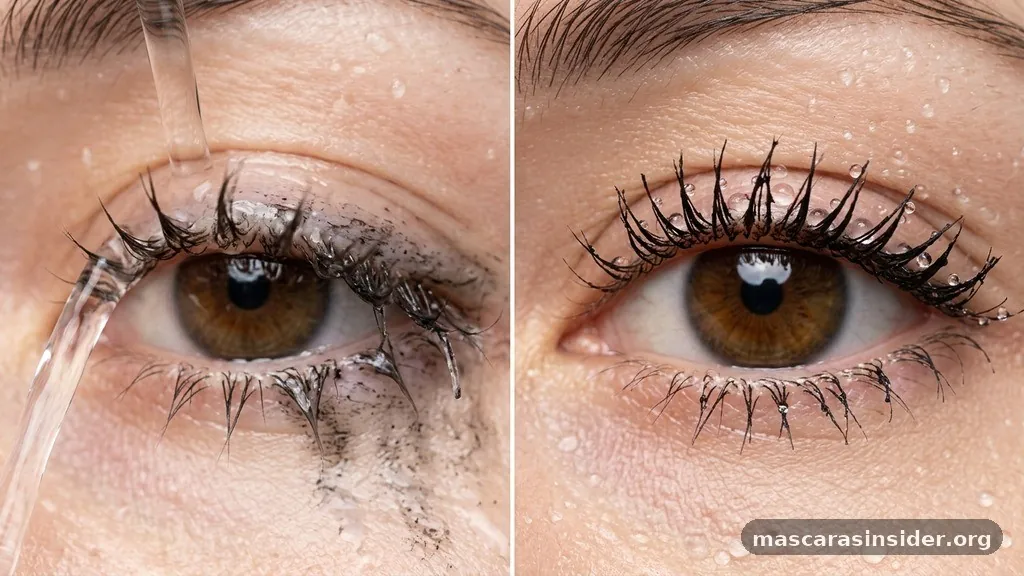
The biggest split in mascara chemistry is between regular and waterproof formulas. Both start with similar ingredients, but they behave very differently once they hit your lashes — and understanding why helps you pick the right one for your needs.
Regular mascara is water-based, which means it goes on smooth and washes off easily with warm water and a gentle cleanser. Waterproof mascara swaps out much of the water for oils, silicones, and specialized wax and film-forming polymers that repel moisture.
That’s why it survives a rainy day or a tearful movie but requires an oil-based remover to fully lift off. Scrubbing too hard to remove stubborn waterproof formulas can actually stress your lashes, so a dedicated remover is worth it.
| Feature | Regular Mascara | Waterproof Mascara |
|---|---|---|
| Base | Water-based | Oil and silicone-based |
| Removal | Water and cleanser | Oil-based remover |
| Smudge resistance | Moderate | High |
| Everyday wear | Great for daily use | Best for special occasions |
Neither type is inherently better — it really depends on how you use it. Many people keep both around: a regular one for the office and a waterproof one for weddings, workouts, or humid days. Just keep in mind that heavy, frequent use of waterproof formulas can be a little drying, so give your lashes a break now and then.
Harmful Ingredients and Eye Safety Concerns
For the most part, mascara is safe when used as directed, but there are a few ingredients worth knowing about. Since you’re applying this so close to your eye, a little awareness goes a long way.
One ingredient that gets a lot of attention is thimerosal, a mercury-based preservative that was historically used in some eye cosmetics to prevent bacterial growth. Many brands have moved away from it, but it can still appear in older or certain used mascaras, so sensitive folks may want to check labels. Other ingredients that occasionally cause irritation include certain fragrances, parabens, and specific dyes.
The good news is that regulatory bodies keep a close eye on cosmetic safety — you can read guidance directly from the U.S. Food and Drug Administration on eye cosmetic safety if you want the official word.
So is mascara okay for your eyes? Generally, yes — but follow a few common-sense rules:
- Replace your tube every three months, since bacteria builds up over time and old mascara is a common cause of eye infections.
- Never share mascara with anyone else, and don’t add water or saliva to a drying tube.
- Avoid applying inside the lash line, where it’s more likely to irritate the eye.
- Toss any product that smells off or has changed texture.
- Remove it fully before bed so it doesn’t flake into your eyes overnight.
If you’re after the healthiest option, look for formulas labeled ophthalmologist-tested, fragrance-free, and free of the ingredients you’re sensitive to. Clean and vegan brands often list every ingredient plainly, which makes it easier to avoid anything you’d rather steer clear of. People with contact lenses or sensitive eyes tend to do better with gentle, water-based formulas that flake less.
Frequently Asked Questions
What are the main ingredients in mascara?
The main ingredients are water, waxes like beeswax and carnauba, pigments such as carbon black, conditioning oils, film-forming polymers, and preservatives. These combine into an emulsion that coats and darkens lashes while helping the product stay stable in the tube.
Is mascara really made from bat poop?
No. Mascara is not made from bat droppings.
The myth comes from guanine, a shimmery ingredient whose name resembles “guano.” Cosmetic guanine is actually sourced from fish scales or made synthetically, not from any kind of animal waste.
What is the healthiest mascara for your eyes?
The healthiest options are typically fragrance-free, ophthalmologist-tested, and free of harsh preservatives like thimerosal. Water-based and vegan formulas that clearly list ingredients tend to irritate less, especially for sensitive eyes or contact lens wearers.
Is mascara vegan or does it contain animal products?
It depends on the brand. Some mascaras contain beeswax or fish-derived guanine, which aren’t vegan. However, many companies now make cruelty-free, plant-based versions using synthetic shimmer and vegan waxes, so vegan mascara is easy to find if you check labels.
At the end of the day, knowing what is mascara made out of takes the mystery out of your morning routine. It’s mostly water, wax, pigment, and a few practical additives — no bats involved. Read your labels, replace your tube on schedule, and pick a formula that suits your lashes and your eyes.


