

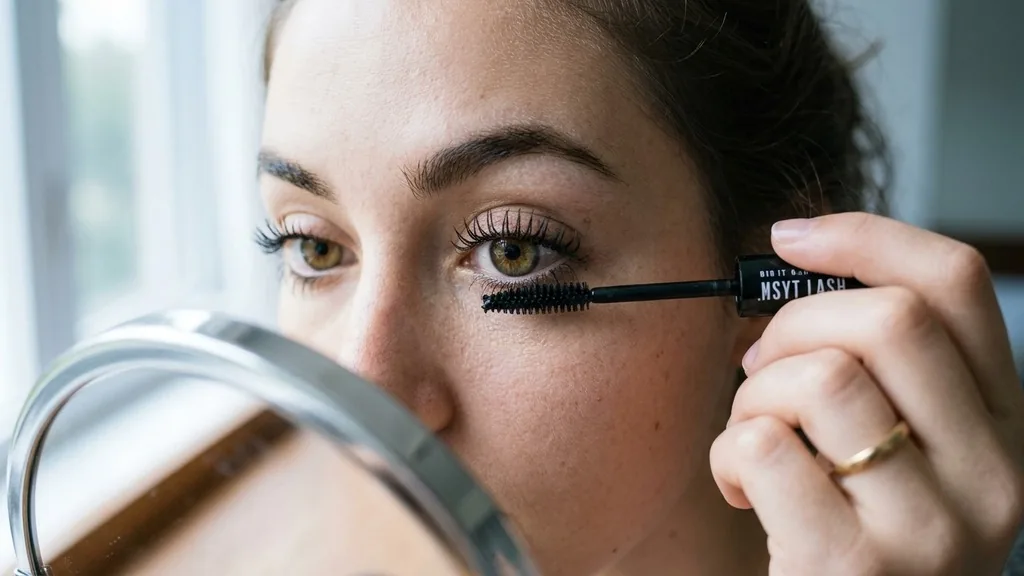
Mascara serves as a fundamental pillar in the world of cosmetic enhancement, primarily designed to darken, thicken, lengthen, and define the eyelashes. By applying a pigmented formula to the lash hairs, users can dramatically alter the appearance of their eyes, making them look more open, vibrant, and expressive. While many associate this product solely with bold, dramatic evening looks, its utility extends far beyond simple vanity.
It is a versatile tool that balances facial proportions, masks the natural transparency of light-colored hairs, and provides a finishing touch that ties an entire makeup look together. Whether you are aiming for a subtle “no-makeup” aesthetic or a high-impact red carpet style, understanding the specific functions of this product is key to mastering your daily routine.
The Fundamental Purpose of Mascara in Modern Beauty
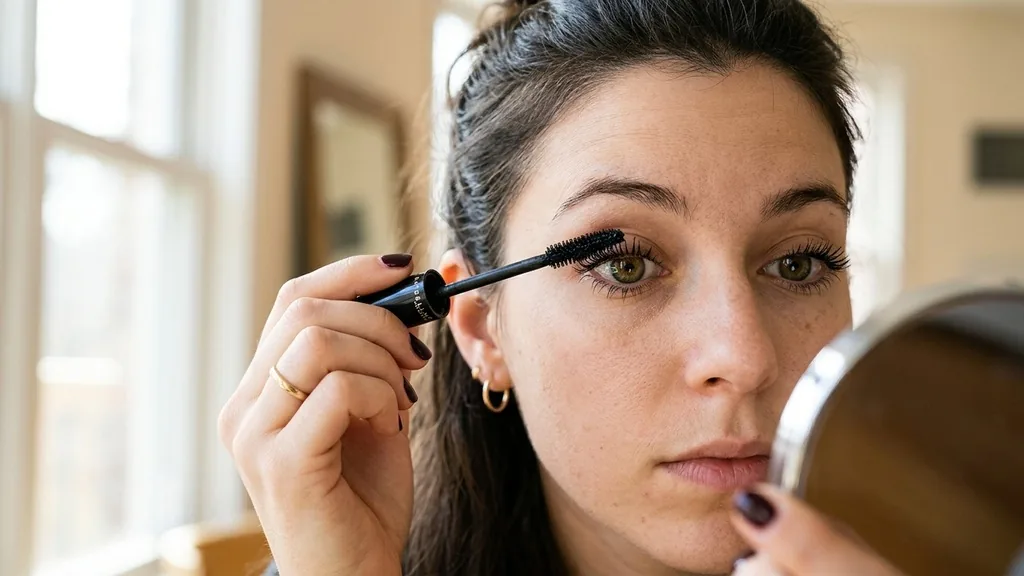
At its core, mascara use revolves around the enhancement of the ocular frame. Eyelashes are naturally prone to being fine, pale, or sparse, which can sometimes make the eyes appear smaller or less defined against the skin. A high-quality mascara functions as a structural cosmetic, coating each individual hair in a film of polymers, waxes, and pigments.
This coating serves several mechanical and aesthetic purposes. First, it increases the diameter of the hair fiber, creating the illusion of thicker, fuller lash lines. Second, it adds dark pigment—usually iron oxides or carbon black—which creates a stark contrast against the sclera (the white part of the eye), effectively making the eyes pop.
Beyond mere pigmentation, the physical act of applying mascara helps to lift and curl the lashes. Many modern formulas contain resins that dry in a rigid yet flexible state, effectively “locking” the lashes in an upward position. This mimics the effect of a lash lift, opening the eye area and creating a more youthful, alert expression.
For those with naturally straight or downward-pointing lashes, this mechanical advantage is often the most valued aspect of the product. By manipulating the shape and color of the lash fringe, mascara acts as a frame for the face, providing a visual anchor that draws attention to the eyes as the focal point of the visage.
Varieties of Formulas and Their Specific Functions
The market offers a vast array of formulations, each engineered to address specific concerns regarding lash texture and desired aesthetic outcomes. Because not all lashes are created equal, manufacturers have developed specialized chemical compositions to solve common problems like flaking, smudging, or lack of volume. Understanding the distinction between these categories is essential for selecting the right tool for your specific needs.
- Volumizing Mascara: Features a thicker, wax-heavy formula designed to build body around the lash shaft, making them appear dense and dramatic.
- Lengthening Mascara: Often contains fibers or specialized polymers that extend the reach of the lashes, ideal for those with shorter hair growth.
- Waterproof Mascara: Formulated with hydrophobic ingredients, such as isododecane, to ensure the product remains intact despite exposure to sweat, tears, or humidity.
- Tubing Mascara: Uses unique polymers that wrap around each lash in a “tube” shape, which slides off easily with warm water rather than dissolving into a messy smear.
- Clear Mascara: A non-pigmented version used for grooming and holding lashes or brows in place without adding color, perfect for a natural look.
When evaluating these options, it is important to consider the environment in which you will be wearing the makeup. A person living in a high-humidity climate might find that a standard formula migrates under the eye, whereas a waterproof version would be far more appropriate. Conversely, those with sensitive eyes or brittle lashes might prefer a water-based formula that is easier to remove, preventing the mechanical damage often associated with scrubbing off stubborn, long-wear waterproof products.
Comparing Common Mascara Types by Performance
To better understand how different products perform, it is helpful to contrast their key features. The following table provides a breakdown of how various mascara categories compare across common user priorities.
| Mascara Type | Primary Benefit | Best For | Removal Difficulty |
|---|---|---|---|
| Volumizing | Increased density | Thin or sparse lashes | Moderate |
| Lengthening | Extended reach | Short lashes | Low |
| Waterproof | Smudge-resistance | Active lifestyles | High |
| Clear | Natural definition | Brows and minimal makeup | Low |
The Versatility of Clear Mascara and Brow Grooming
Many users overlook the utility of clear mascara, yet it remains one of the most hardworking items in a makeup bag. While it lacks the pigment of traditional formulas, it provides excellent hold and structure.
You can use clear products to tame unruly hair, set eyebrow shapes, or provide a subtle sheen to the lashes that looks “wet” and healthy without the risk of raccoon eyes. Because it is transparent, it is essentially foolproof; there is no risk of flaking or smudging, making it the perfect choice for beginners or those who want a polished, clean aesthetic.
Beyond just the lashes, the use of clear gel has become a staple for styling brows. By brushing the product through the hair in an upward motion, you can achieve a “laminated” effect that keeps the arches perfectly groomed throughout the day. This duality makes it an essential product for those who prefer a minimalist approach to beauty.
It provides the definition required for a “put-together” look without the heavy, saturated feel of colored pigments. For those interested in the science behind these formulations, you can learn more about cosmetic product safety and labeling guidelines via official public health resources to ensure the products you choose are formulated with safe, skin-friendly ingredients.
Addressing Topical Gaps: Safety and Health Considerations
A common area of confusion involves the safety of ingredients and the potential for eye irritation. Many users frequently ask whether it is safe to apply these products daily, or if there are long-term risks to lash health. The primary concern is bacterial accumulation.
Because the wand is repeatedly inserted into a dark, moist tube, it can become a breeding ground for microorganisms. To mitigate this, it is crucial to replace your tube every three months. Using an expired product increases the risk of conjunctivitis and other bacterial infections, which can compromise the health of your eyes.
Another gap in common knowledge is the difference between “lash-building” formulas and lash-conditioning treatments. While some mascaras are infused with vitamins like panthenol or biotin, they are primarily cosmetic. If your goal is to improve the actual health or growth of your lashes, a dedicated conditioning serum is a more effective investment.
Furthermore, consider the physical stress caused by improper removal. Using harsh waterproof formulas that require excessive rubbing can lead to lash breakage. Always prioritize gentle removal techniques, such as using an oil-based cleanser, to ensure that the skin around your eyes remains supple and the lashes stay intact.
The Nuance of Application Techniques
Knowing what mascara is used for is only half the battle; the other half is mastering the application. The way you hold the wand and move it through the lashes changes the outcome significantly.
For maximum volume, start at the very base of the lash line and wiggle the wand back and forth before pulling it through to the tips. This deposits the majority of the product at the roots, which provides a “tightlining” effect that fills in the gaps between the lashes, making the overall lash line look thicker.
To avoid clumping, which is the most common complaint, ensure that you are not overloading the brush. If you pull the wand out and see a large glob of product at the tip, wipe it off on the edge of the tube or a tissue before touching your eyes. Applying multiple thin coats is always superior to applying one thick, gloopy coat.
Start with one layer, wait for it to become slightly tacky—but not completely dry—and then apply a second coat if you desire more drama. This layering technique allows the polymers to grip the previous layer, building length and volume without creating the dreaded “spider lash” effect.
Integrating Mascara into a Holistic Makeup Routine
Ultimately, the role of this product is to serve as a bridge between your natural features and your desired look. It is often the final step in a routine, acting as the exclamation point on your face. When combined with other elements like eyeshadow or eyeliner, it helps to blend the look together.
For instance, if you have applied a smoky eye, a heavy coat of black mascara helps to ground the look, preventing the eyes from appearing “washed out” by the shadows. Conversely, on days when you are wearing nothing but concealer and moisturizer, a single coat of mascara can make you look wide awake and intentional.
Remember that makeup is a tool for personal expression, and there are no rigid rules about how to use it. If you prefer to apply it only to the top lashes for a more open-eyed look, that is a valid stylistic choice. If you enjoy a vintage 1960s aesthetic and want to coat your bottom lashes for a doll-like appearance, that is equally acceptable.
The key is to experiment with different wands, formulas, and techniques to see what best complements your eye shape and lifestyle. By understanding the functional aspects of the product—from the grip of the brush to the chemistry of the formula—you gain the agency to craft a look that is uniquely yours while maintaining the health and vitality of your natural lashes.
Frequently Asked Questions
Can I use mascara on my eyebrows?
While you can technically use colored mascara on your brows, it is not recommended. Mascara formulas are designed for long, flexible lash hairs and can leave brows feeling stiff, crunchy, or unnatural. A clear brow gel or a dedicated tinted brow pomade is a much better choice.
Does mascara really make a difference to my appearance?
Yes, it makes a significant difference. By darkening and lengthening the lashes, mascara defines the eye shape and adds contrast to the face. This simple addition can make you look more alert, polished, and “finished,” even if you are not wearing any other makeup products.
Is it necessary to use mascara every day?
It is not necessary. Many people choose to skip it on “no-makeup” days to give their lashes a break. If you do wear it daily, ensure you remove it thoroughly every night to prevent lash breakage and keep the eye area clean and free from irritation.
What are the three most common types of mascara?
The three most common types are volumizing, which adds density; lengthening, which adds physical reach to the tips; and waterproof, which provides long-lasting, smudge-proof wear. Each serves a different purpose depending on your lash type and the specific look you are trying to achieve.


