

Dealing with raccoon eyes by midday is a frustration many makeup wearers know all too well. You spend time perfecting your look, only to notice dark, unsightly smears migrating toward your cheekbones just a few hours later.
Learning how to prevent mascara from smudging under eyes is not just about choosing a better product; it is about understanding the chemistry of your skin, the composition of your cosmetics, and the specific application techniques that keep pigment exactly where it belongs. By mastering a few strategic adjustments to your beauty routine, you can ensure your lashes look pristine from morning until night.
Understanding Why Mascara Migrates
The primary reason mascara smudges under the eyes is the interaction between the product’s formula and the natural oils produced by your skin. Most traditional mascaras are wax-based or oil-based, designed to coat the lashes in a flexible, conditioning layer.
However, the skin around the eyes is naturally rich in sebum, especially if you have an oily complexion or use heavy eye creams. When these oils come into contact with the wax in your mascara, they begin to break down the bond, causing the pigment to liquify and drift downward.
Heat and humidity also play a significant role in this process. When your body temperature rises or the environment is humid, your skin tends to produce more sweat. This moisture can further weaken the hold of your mascara, particularly if you are wearing a formula that is not water-resistant.
Additionally, the physical contact between your lower lashes and your undereye skin—often caused by blinking or facial expressions—creates a mechanical transfer. If your lashes are long enough to touch your skin, they will inevitably leave a trail of product behind, especially if the formula has not fully set or is prone to flaking.
The Role of Skin Preparation and Priming
To keep your makeup intact, you must create a stable foundation. If your undereye area is slick with moisturizer or eye cream, your makeup will slide off almost immediately. To prevent this, apply your skincare products several minutes before you begin your makeup.
Allow the cream to sink completely into the skin. If you touch your skin and it feels tacky or damp, you are setting yourself up for smudging.
Using a dedicated eye primer can also be a game-changer. While many people use primer solely on their lids, applying a tiny amount beneath the lower lash line creates a barrier that prevents oils from reaching your mascara. If you do not have a primer, a light dusting of translucent setting powder is an effective alternative.
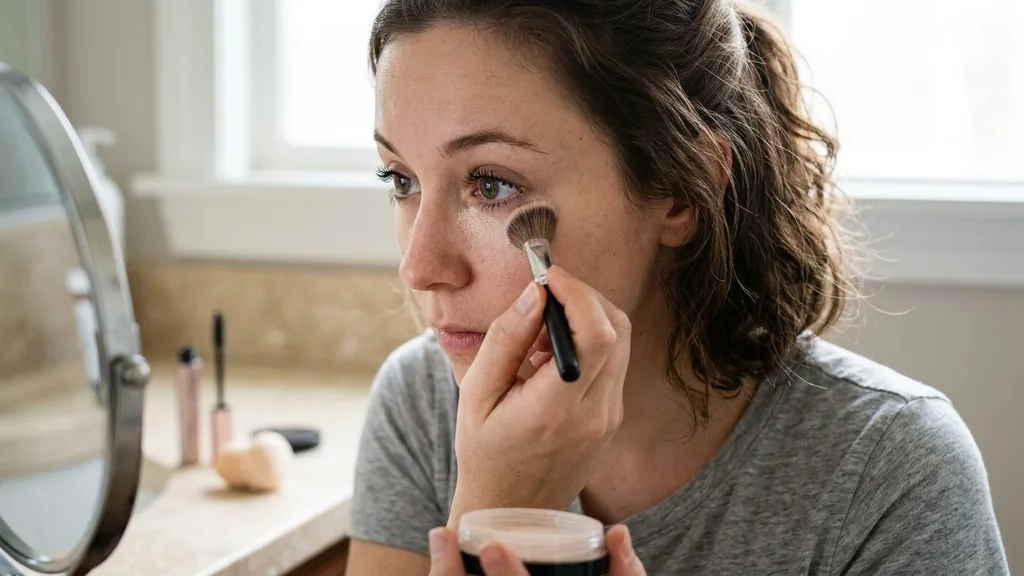
By absorbing excess moisture and creating a dry surface, powder ensures that any accidental contact between your lashes and your skin does not result in a transfer of pigment. Focus the powder specifically on the area where your lower lashes typically touch the skin.
Selecting the Right Mascara Formula
Not all mascaras are created equal, and the type you choose is the single biggest factor in how well it stays put. If you constantly struggle with smudging, you might need to move away from standard formulas and look for specific technological advantages.
Tubing mascaras, for instance, are widely considered the gold standard for smudge-proof wear. Unlike traditional formulas that paint your lashes with wax, tubing mascaras form tiny, water-resistant polymer “tubes” around each individual lash.
These tubes do not dissolve with oil or sweat; they only slide off when soaked in warm water. This makes them virtually immune to the oils that cause standard mascara to run. Another excellent option is a waterproof formula.
While they can be more difficult to remove, they are designed to withstand moisture and humidity, making them ideal for long days or hot weather. If you prefer the look of a lengthening formula but find it smudges, consider using a clear topcoat. A clear waterproof sealant can be brushed over your regular mascara to lock the pigment in place without adding bulk or changing the final aesthetic of your lashes.
Strategic Application Techniques
How you apply your mascara can drastically reduce the likelihood of smudging. Many people make the mistake of applying mascara to the very tips of their lower lashes, which are the most likely to touch the skin.
To minimize this, try applying mascara only to the roots of your lower lashes or skipping them altogether. If you want to define your lower lash line without the risk of smudging, consider using a waterproof liquid liner or a tightly packed smudge-proof shadow to create the illusion of depth.
When applying mascara to your upper lashes, look down into a mirror rather than straight ahead. This helps keep your lashes away from your eyelids and the skin above them while the product is still wet. Wiggle the wand at the base of your lashes to deposit the most pigment there, then pull the wand through to the tips.
By concentrating the bulk of the product at the roots, you provide structure to the lash without weighing down the ends. If you find your lashes are very long and constantly hit your brow bone or undereye area, a quick curl with an eyelash curler can lift them, significantly reducing the amount of contact they have with your skin.
The Importance of Setting Your Concealer
Concealer is a staple in most makeup routines, but it is often the hidden culprit behind mascara smudging. Concealers are typically creamy and emollients-heavy, which provides great coverage but creates an unstable, oily base for any mascara that makes contact with it. If you do not set your concealer, the oils in the product will slowly migrate upward and outward, mixing with your mascara and encouraging it to smear.
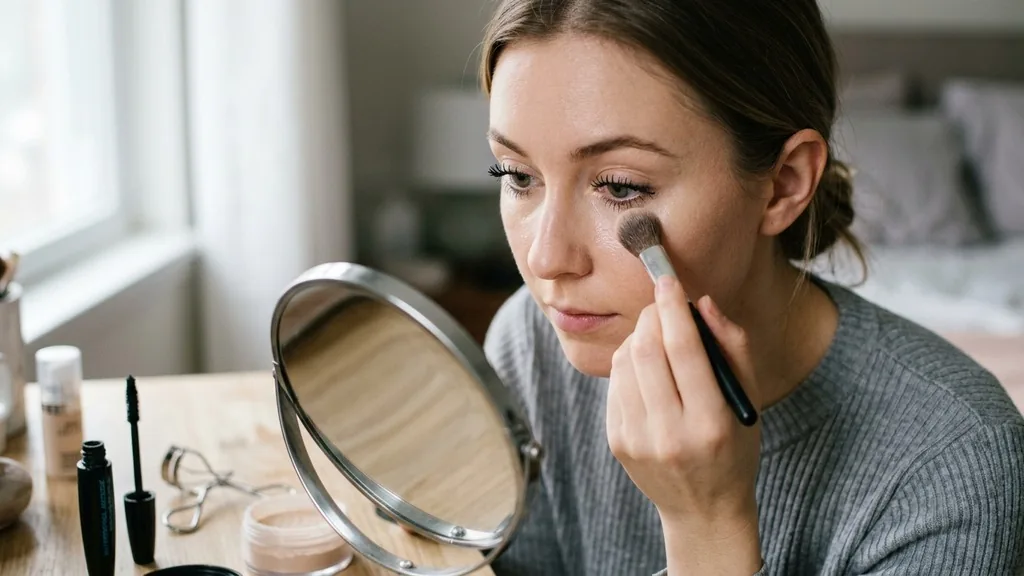
To prevent this, always set your concealer with a finely milled setting powder. Use a small, fluffy brush to press the powder into the skin, rather than sweeping it, to avoid moving the concealer itself. This creates a “baked” effect that locks the product in place.
If you have particularly oily skin, you might even consider a setting spray to finish your makeup. A light mist of a matte-finish setting spray can help seal all your products, including your mascara, against the elements. You can find more information on the chemistry of cosmetic longevity through resources like the FDA Cosmetics guidelines.
Addressing Environmental and Lifestyle Factors
Sometimes, your habits throughout the day contribute to smudging more than you realize. If you have a habit of rubbing your eyes, touching your face, or resting your chin in your hands, you are likely transferring oils and debris directly onto your lash line.
Being mindful of your facial movements can help keep your makeup looking fresh. Additionally, if you work in an environment with high humidity or are prone to watery eyes due to allergies, you should adjust your routine accordingly.
Consider the following table to help you decide which product type best fits your lifestyle needs:
| Mascara Type | Best For | Smudge Resistance |
|---|---|---|
| Tubing Mascara | Oily eyelids | Excellent |
| Waterproof Mascara | Humidity/Sweat | Very High |
| Volumizing (Wax-based) | Dramatic look | Low |
| Clear Topcoat | Locking in any formula | High |
If your eyes water frequently, the salt in your tears can break down even some water-resistant formulas. In this case, a true waterproof formula or a tubing mascara is non-negotiable.
Furthermore, if you wear glasses, the lenses can trap heat and humidity against your eyes, which may accelerate the smudging process. In this scenario, ensuring your mascara is completely dry before putting on your glasses is vital.
Troubleshooting and Daily Maintenance
Even with the best preparation, accidents happen. If you notice a small smudge, do not try to rub it away with your finger, as this will only spread the pigment and ruin your concealer.
Instead, carry a few cotton swabs and a small bottle of oil-free makeup remover. If you are on the go, a clean, dry spoolie brush can often flick away a dry flake of mascara without disturbing the makeup underneath.
If you find that your mascara smudges every single day, it is time to audit your products. Check the expiration date on your mascara; old, dried-out formulas are much more prone to flaking and crumbling. Most mascaras should be replaced every three months to prevent bacterial growth and ensure the formula performs as intended.
If you have recently switched to a new eye cream or concealer, try eliminating it for a few days to see if the smudging stops. Sometimes, a specific ingredient in your skincare may be incompatible with your chosen mascara.
Addressing Frequently Asked Questions
- Why does my mascara smudge even when it is labeled waterproof? Waterproof formulas are designed to resist water, but they are often still susceptible to oils. If your skin produces a lot of sebum, the oil will break down the waterproof wax, leading to smudges. Try a tubing mascara instead.
- Can I use hairspray to set my mascara? No, you should never use hairspray near your eyes. It contains alcohol and chemicals that can cause severe irritation, stinging, and damage to your eyes. Stick to professional-grade setting sprays or translucent powders designed for the face.
- How do I remove tubing mascara without damaging my lashes? Tubing mascara is unique because it requires warm water to dissolve. Simply soak a cotton pad in warm water, hold it against your closed eyes for thirty seconds, and the tubes will gently slide off your lashes without the need for harsh rubbing.
- Should I powder my lashes? Some makeup artists use a tiny amount of translucent powder on a fan brush over the lashes to “set” them. While this can help, be careful not to use too much, as it can make your lashes look grey or dusty rather than dark and voluminous.
Mastering your makeup routine takes time and experimentation. By focusing on the interplay between your skin type and your product choices, you can effectively prevent mascara from smudging under your eyes. Whether you opt for a tubing formula, prioritize setting your concealer, or adjust your application technique, the goal is to create a durable, reliable look that stays put.
Remember that the health of your eyes is just as important as the aesthetic, so always choose high-quality products and maintain good hygiene with your tools. With these strategies, you can confidently wear your favorite mascara without the constant worry of midday touch-ups or raccoon eyes. Consistency is key; once you find the combination of products and steps that works for your unique skin, you will rarely have to deal with smudges again.


