

Achieving that wide-eyed, bright look with a lash lift is a transformative experience for many beauty enthusiasts. By semi-permanently curling your natural hairs upward, this process creates a dramatic, open-eyed aesthetic that mimics the effect of a lash curler without the daily effort.
However, once you leave the salon, you might find yourself wondering about your routine, specifically: can I use mascara after a lash lift? The short answer is yes, but the timing and the type of product you choose are critical to maintaining the longevity and health of your freshly treated lashes.
The Critical 24-Hour Waiting Period

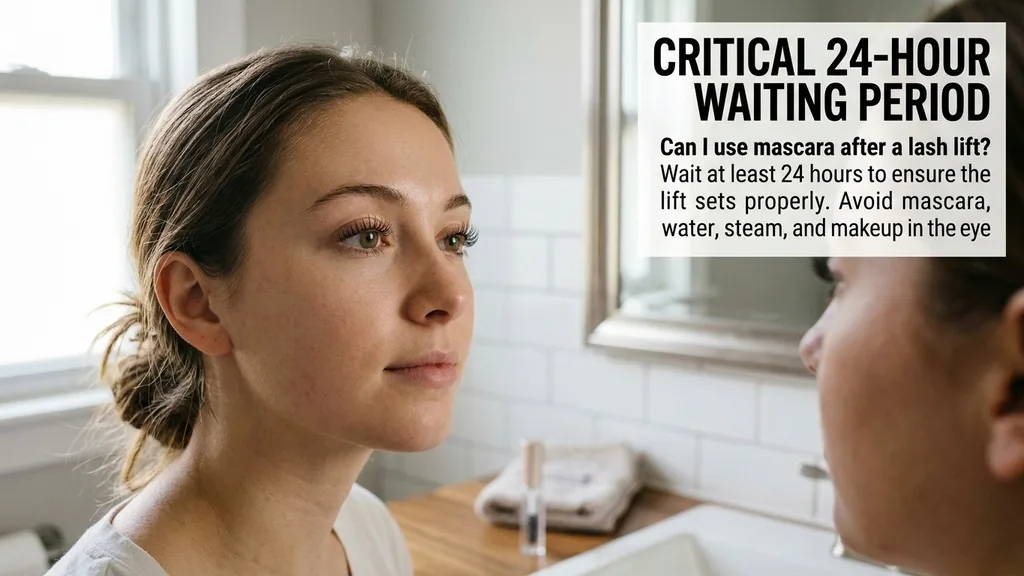
The most important rule following a lash lift is to wait at least 24 hours before applying any makeup, including mascara. During the first day, your lashes are still in a delicate state.
The chemical solutions used during the treatment—typically a lifting lotion and a setting lotion—are designed to break down and then rebuild the protein structure of your lashes. Even after the technician washes off the residue, the bonds within the hair are still stabilizing.
If you apply mascara too soon, the weight of the formula and the mechanical action of the wand can disrupt the setting process. This can lead to your lashes losing their curl prematurely or even becoming misshapen. Furthermore, the chemicals used in standard mascaras can interact with the lingering residue of the lifting solutions, potentially causing irritation to the sensitive skin around your eyes.
Think of this 24-hour window as a “setting period” where your lashes need to be left alone to lock in that beautiful, lifted shape. Avoiding water, steam, and makeup during this time is the best way to ensure the treatment lasts the full six to eight weeks.
Choosing the Right Formula: Water-Based vs. Waterproof
Once the initial 24-hour period has passed, you might still want to add extra volume or darkness to your lashes. When selecting a product, the formulation is paramount. You should strictly avoid waterproof mascara.
These formulas are notoriously difficult to remove, often requiring aggressive scrubbing or heavy-duty oil-based cleansers. The physical friction required to remove waterproof mascara can pull on your lashes, causing them to straighten out or even fall out prematurely.
Instead, prioritize water-based or tubing mascaras. These products are designed to be removed easily with warm water or a gentle, oil-free cleanser. Because they don’t require harsh rubbing, they are much kinder to the structural integrity of your lift.
Many clients find that a tubing mascara provides a clean, clump-free finish that enhances the natural, lifted effect without weighing down the hairs. Always check the ingredient list; if you see oils or waxes that require a dedicated makeup remover, it is likely too heavy for your treated lashes.
The Importance of Gentle Removal Techniques
Even if you choose the perfect product, how you remove it is just as significant as the application. When you have a lash lift, you must treat your eye area with extra care.
Avoid using cotton pads that can snag on the lashes and pull them out of alignment. Instead, use your fingertips or a soft, microfiber cloth to gently massage warm water over the lashes.
If you use a mascara that requires a cleanser, ensure it is specifically labeled as oil-free. Oil is the enemy of a fresh lash lift because it can penetrate the hair shaft and break down the chemical bond of the perm.
By keeping your removal process soft and steady, you prevent unnecessary stress on the lash follicles. Remember that your lashes are currently “trained” to stay in a specific curl; rough handling will force them back into their natural, downward-pointing state much sooner than you would like.
Maintaining Lash Health Post-Treatment
Lash lifts involve chemical processing, which can leave the hair feeling slightly dry or brittle if not properly cared for. While you might be focused on how to use mascara, you should also consider incorporating a nourishing treatment into your routine. Many professionals recommend using a lash serum or a conditioning treatment, such as a clear keratin-infused gel, to keep the hairs hydrated and flexible.
Healthy, hydrated lashes hold a curl much better than dry, damaged ones. You can apply a conditioning serum in the evening after you have thoroughly removed your makeup. This helps to repair the cuticle and ensures that the lashes remain soft to the touch.
When your lashes are in optimal condition, you will find that you need less mascara to achieve your desired look, as the natural density and length will be more apparent. A healthy lash is a resilient lash, and resilience is exactly what you want when you are subjecting your eyes to the daily cycle of makeup application and removal.
Visual Comparison of Mascara Types
Understanding which products are safe is easier when you compare the physical characteristics of different formulas. The following table breaks down why certain types of mascara are better suited for your post-lift routine.
| Mascara Type | Safety Level | Removal Effort | Impact on Curl |
|---|---|---|---|
| Water-Based | High | Low (warm water) | Minimal disruption |
| Tubing Mascara | High | Low (warm water) | Maintains lift |
| Volumizing/Oil-Based | Low | High (requires rubbing) | Risk of flattening |
| Waterproof | Very Low | Very High (requires oils) | High risk of damage |
Addressing Common Misconceptions
There are many myths surrounding lash lifts, often leading to confusion about what you can or cannot do. One common misconception is that you need to wear mascara every day to make the lift “look” like it worked. In reality, the primary benefit of a lash lift is the ability to go without makeup.
If you find yourself constantly reaching for mascara, it might be worth considering a lash tint alongside your lift. A tint darkens the lashes from root to tip, providing a dramatic, mascara-like effect without the need for additional product.
Another myth is that all “natural” mascaras are safe. While natural ingredients are generally beneficial, some contain essential oils or heavy waxes that can still interfere with the lift. Always look for the “oil-free” label, regardless of how “natural” the brand claims to be.
Furthermore, do not assume that because your friend can wear a certain brand of mascara, you can too. Everyone’s lash texture and the specific chemicals used by their technician differ, so it is always safer to stick to the most gentle, water-soluble options available.
Step-by-Step Application Guide
If you decide to wear mascara, follow these steps to minimize impact and maximize the results of your treatment:
- Wait at least 24 hours post-treatment before the first application.
- Ensure your lashes are completely clean and free of any residual oils from skincare products.
- Use a clean mascara wand or a spoolie to separate your lashes before applying product.
- Apply the mascara only to the tips of the lashes, rather than starting at the root, to avoid weighing them down.
- Use a single, light coat to achieve a natural look; avoid layering multiple heavy coats that create clumps.
- Remove the mascara at the end of the day using only warm water or a gentle, oil-free cleanser.
- Brush your lashes through with a spoolie after removal to keep them separated and prevent tangling.
By following this routine, you maintain the “lifted” appearance while still enjoying the freedom to enhance your look when the occasion calls for it. Consistency is key to keeping your lashes looking fresh and curled for the duration of the treatment’s lifespan.
Expert Tips for Long-Lasting Results
To get the most out of your lash lift, you must align your lifestyle with the care requirements of the procedure. For instance, sleeping on your stomach or side can crush your lashes against the pillow, causing them to bend or lose their shape.
Try to sleep on your back for at least the first few nights following the treatment. Additionally, avoid steam rooms, saunas, and hot showers during the first 48 hours, as excessive moisture and heat can cause the curl to relax prematurely.
It is also worth noting that the American Academy of Ophthalmology emphasizes the importance of eye makeup safety and hygiene, which is particularly relevant when you have treated lashes. Keeping your makeup tools clean and replacing your mascara every three months is essential for preventing infections, which are more likely to occur if you are frequently touching or manipulating your lash line. If you notice any redness, itching, or swelling, discontinue use of all eye products immediately and consult a professional.
Topical Gaps: Addressing Specific Concerns
Many users ask if the type of lash lift—such as a Korean or Japanese lift—changes the rules regarding mascara. While the techniques vary in terms of the rod used and the specific curl shape achieved, the fundamental biology of the lash remains the same.
Regardless of the method used, the hair has been chemically altered and requires the same gentle care. Whether you had a standard lift or a more specialized treatment, the “no makeup for 24 hours” rule is universal.
Another concern is the “morning-after” dilemma. Can you apply mascara if it has been 24 hours but your lashes still feel slightly stiff? Yes, you can.
The stiffness is often a result of the setting lotion residue. A gentle wash with a mild cleanser will remove this stiffness, making your lashes feel soft and ready for mascara.
Do not use an eyelash curler, however. Even if you feel the curl is fading, using a mechanical curler on lifted lashes can cause them to break or kink at the root, which is a permanent form of damage that can only be fixed by waiting for the lashes to grow out naturally.
Finally, consider the effect of humidity and climate. If you live in a very humid environment, your lashes may naturally want to lose their curl faster. In these climates, a light, water-based mascara might actually help keep the lashes in place, provided it is not too heavy.
Experiment with a small amount of product to see how your lashes react to your specific environment, and always prioritize the health of your natural lashes over the aesthetic outcome. By being patient and diligent with your aftercare, you ensure that your investment in your appearance pays off with weeks of effortless, beautiful lashes.


