

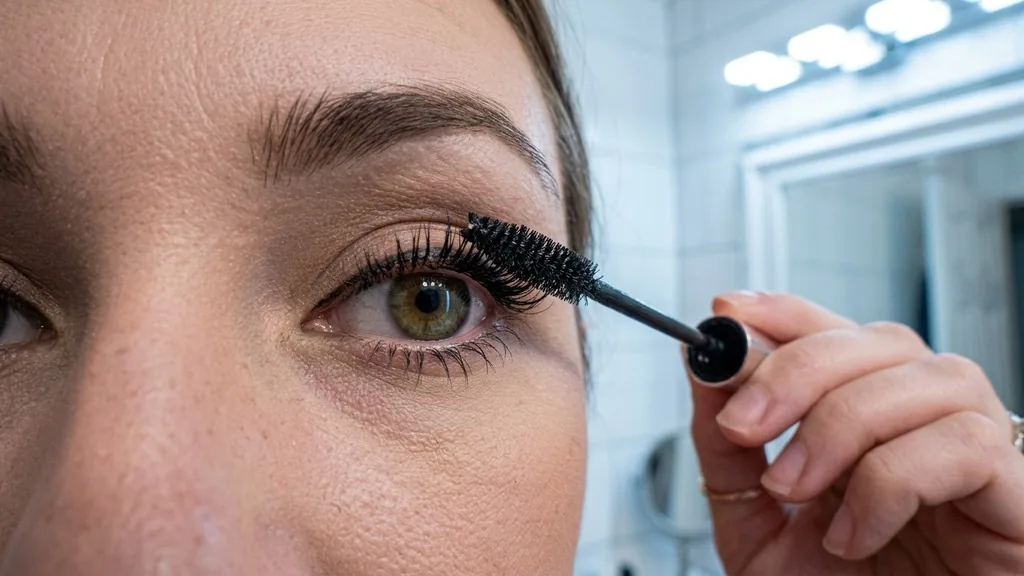
Many beauty enthusiasts who invest in professional lash extensions often find themselves wondering if they can enhance the look of their new set with a touch of makeup. The short answer is that while you technically can apply certain products, it is generally discouraged by lash artists.
When you ask, “can you use mascara on lash extensions,” the primary concern isn’t just the product itself, but the mechanical stress and chemical interactions that occur during application and removal. If you are determined to bridge the gap between your refill appointments, you must navigate a minefield of ingredients and hygiene practices to avoid ruining your investment.
The reason most professionals advise against this practice is rooted in the chemistry of the adhesive used to bond the extension to your natural hair. Most standard mascaras contain oils, waxes, and polymers designed to coat and thicken lashes, but these ingredients are often the antithesis of what is required to maintain a strong bond.
If you choose to ignore this advice, you risk clumping, premature shedding, and even bacterial buildup that can lead to eye infections. Understanding how to manage your expectations and product choices is essential for anyone who wants to enjoy the drama of extensions without compromising their eye health.
The Chemical Impact of Mascara on Adhesive Integrity
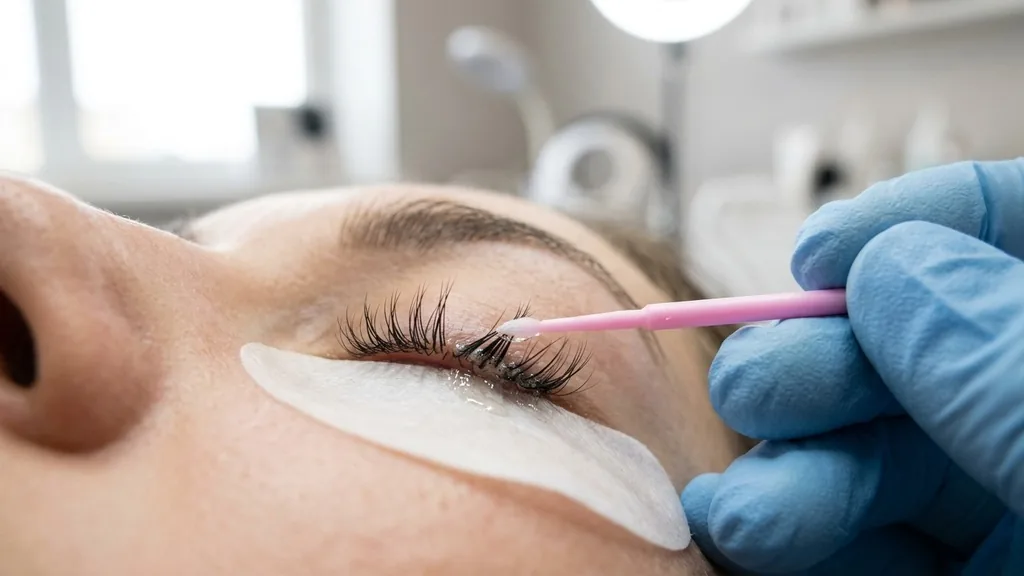
At the heart of the debate is the interaction between your mascara and the lash adhesive. Professional-grade lash glue is typically cyanoacrylate-based, a fast-drying adhesive that is highly sensitive to oil.
Most traditional mascaras are formulated with emollient-rich ingredients such as beeswax, carnauba wax, or various oils to ensure the formula glides onto natural lashes and stays hydrated. When these oil-based substances come into contact with the adhesive, they begin to break down the molecular structure of the bond.
Over time, this chemical reaction causes the adhesive to become brittle or lose its grip entirely. You might notice that your lashes begin to twist or slide off the natural hair prematurely. Furthermore, the thick consistency of many mascaras acts as a magnet for dust and debris.
Because the extensions are already dense, applying a coat of mascara creates a heavy, sticky layer that traps dirt closer to the lash line. This makes the daily cleaning process significantly more difficult. If you cannot effectively clean the base of your extensions—a critical step in maintaining healthy follicles—you increase the risk of blepharitis or sties.
The mechanical stress of application is another factor. To get mascara onto the extensions, you have to use a spoolie or wand, which pulls against the delicate bonds.
If you are heavy-handed, you might inadvertently tug on the extensions, causing them to detach or pulling out your natural lash in the process. For those who feel they must use a product, it is imperative to choose a formula that is specifically labeled as water-based and extension-safe, ensuring it lacks the oils that compromise the longevity of your set.
Identifying Safe Formulas: What to Look For
If you have decided that the aesthetic benefit is worth the risk, you must be extremely selective about the products you bring near your eyes. You cannot simply grab any tube off the shelf at a local pharmacy.
You need to look for specific markers that indicate the product will not degrade your extension bonds. The most important feature to look for is a water-based, oil-free formulation.
When shopping, inspect the ingredient list for common culprits that spell trouble for your lash retention. You want to avoid any product containing lanolin, mineral oil, paraffin, or vegetable oils.
These ingredients are standard in waterproof or “volumizing” mascaras because they provide water resistance and a creamy texture, but they are exactly what you need to avoid. Instead, look for mascaras that are specifically formulated for use with faux lashes, often sold by reputable professional beauty brands.
To help you distinguish between what is acceptable and what is harmful, consider the following comparison of product types:
| Feature | Standard Mascara | Extension-Safe Mascara |
|---|---|---|
| Primary Base | Oil or Wax-based | Water-based |
| Removal Method | Oil-based cleanser | Water-based cleanser |
| Adhesive Impact | High risk of bond breakdown | Minimal to no impact |
| Clumping Potential | High | Low |
By opting for a water-based formula, you ensure that the product can be easily rinsed away with a gentle, oil-free cleanser. This prevents the buildup that leads to premature shedding. Always prioritize products that have been tested and verified for use with synthetic fibers, as some mascaras may contain ingredients that can cause the synthetic lash to stiffen or lose its curl, leading to a brittle and unnatural appearance.
The Correct Application and Removal Technique
If you are going to wear mascara on your extensions, the method of application is just as important as the product choice. You should never apply mascara from the root to the tip of the extension. Applying at the root will inevitably cause clumping and pull on the adhesive bond.
Instead, focus the product only on the very tips of the extensions. This provides a bit of extra darkness and drama without compromising the structural integrity of the base.
When it comes to removal, you must exercise extreme caution. Never rub your eyes aggressively. Use a lint-free applicator or a soft, clean spoolie dipped in an oil-free, water-based makeup remover.
Gently stroke the product downward along the tips of the lashes. Avoid cotton rounds or pads, as the fibers can easily snag on the extensions and pull them out. You want to be as gentle as possible to preserve the longevity of your lash extensions.
For further reading on maintaining healthy eye hygiene while wearing cosmetics, you can consult the American Academy of Ophthalmology for expert guidelines on eye makeup safety. Following professional advice ensures that your beauty routine does not become a health hazard. Remember that the goal is to enhance your look without damaging your natural lashes, which are the foundation upon which your extensions rely.
Common Mistakes That Shorten Lash Life
Many people fall into the trap of thinking that because they have extensions, they can skip their daily cleansing routine. This is a major mistake. Even if you do not use mascara, your natural lash line produces oils and traps skin cells and dust.
If you use mascara on top of these natural deposits, you create a “cement” that is incredibly difficult to wash away. This buildup is a primary cause of poor retention and can lead to discomfort, irritation, and even infections like folliculitis.
Another common error is trying to use a lash curler on your extensions. Mechanical lash curlers are designed for natural lashes and are far too aggressive for synthetic extensions.
They can crush the fibers, cause them to snap, or force the adhesive bond to break. If you feel your extensions have lost their curl, it is usually a sign that it is time for a professional refill rather than a reason to use a curler or extra mascara.
* Avoid using waterproof mascara, as it requires oil-based removers that dissolve lash adhesive.
* Do not apply mascara to the base of the lash; stick to the outer third of the fiber.
* Never sleep with mascara on your lashes, as it can cause friction and breakage during the night.
* Replace your mascara every three months to prevent bacterial contamination.
* Use a clean, disposable spoolie to apply the product to avoid double-dipping and introducing bacteria into your tube.
By avoiding these pitfalls, you can extend the time between your refill appointments and keep your natural lashes healthy underneath the synthetic ones. Consistency is key; if you treat your extensions with care, they will reward you with a consistently beautiful look.
Addressing the DIY Lash Trend
The rise of DIY lash kits has changed the landscape of the beauty industry. Many people are now applying individual clusters or segments at home. If you are using these temporary at-home systems, the rules are slightly different.
Unlike professional semi-permanent extensions, which are applied to a single natural lash, DIY clusters are often applied to the lash line or across multiple natural lashes. Because these systems are designed to be temporary—often lasting only a few days—the pressure to avoid mascara is less about protecting a long-term investment and more about avoiding a messy removal process.
However, even with DIY clusters, using heavy, oil-based mascara can make the removal process painful. If the mascara bonds with the DIY adhesive, you may find yourself pulling on your natural lashes to get the clusters off. If you choose to enhance your DIY lashes, stick to water-based formulas and ensure you have a dedicated remover that is designed to dissolve the specific glue you used for your at-home application.
The biggest risk with DIY lashes is the temptation to “layer” products. If you apply a cluster, then mascara, then more mascara the next day, you are essentially creating a thick, heavy weight on your natural lashes. This can lead to traction alopecia, where the natural lash is pulled out at the root due to excessive weight.
Always prioritize the health of your natural hair over the temporary aesthetic result. If you find your lashes looking sparse, it is better to take a break from extensions and mascara altogether to allow your natural lashes time to recover.
When to Skip Mascara Entirely
Ultimately, the best approach is to embrace the convenience that eyelash extensions provide. The entire purpose of getting extensions is to wake up with a full, dark, and defined lash line without needing to touch a mascara wand. If you find yourself constantly reaching for mascara, it may be a sign that your current lash set isn’t meeting your expectations.
If you feel like your lashes are too thin, have a conversation with your lash artist. They can adjust the volume, length, or style of your extensions to provide that extra “oomph” you are looking for.
Perhaps a “volume” set with thinner, lighter fibers would provide the density you crave without the need for additional product. Or, perhaps a different curl shape would open up your eyes more effectively.
Investing in a high-quality professional set is almost always more cost-effective and safer than trying to supplement a lower-quality set with daily mascara. By working with a professional, you can achieve a look that is tailored to your eye shape and lifestyle. If you do choose to use mascara, do so sparingly and only on special occasions.
Treat it as a “sometimes” tool rather than a daily staple. Your natural lashes will thank you for the break, and your extensions will last significantly longer, keeping your look fresh and your eyes healthy.
Frequently Asked Questions
Is there any type of mascara that is safe for lash extensions?
Yes, you can use water-based, oil-free mascaras specifically formulated for extensions. These products do not contain the waxes or oils that break down the adhesive bond. Always check the label to ensure it is labeled “extension-safe” and avoid any waterproof or volumizing formulas.
What happens if I use regular mascara on my lash extensions?
Using regular mascara typically leads to premature shedding and clumping. The oils and waxes in standard formulas dissolve the adhesive, causing extensions to slide off. Additionally, the formula traps dirt and bacteria, making it difficult to clean the lash line, which can lead to eye infections.
How do I remove mascara from lash extensions safely?
Use an oil-free, water-based makeup remover on a lint-free applicator or a soft spoolie. Gently stroke the product downward along the tips of the lashes. Avoid using cotton rounds, as the fibers can snag on the extensions and cause them to detach from your natural hair.
Can I use mascara on the bottom lashes while wearing extensions on the top?
Yes, applying mascara to your bottom lashes is generally safe and does not affect your top extensions. Just be careful not to let the mascara transfer to your upper lashes when you blink. Ensure you use an oil-free remover to clean your bottom lashes at the end of the day.


