

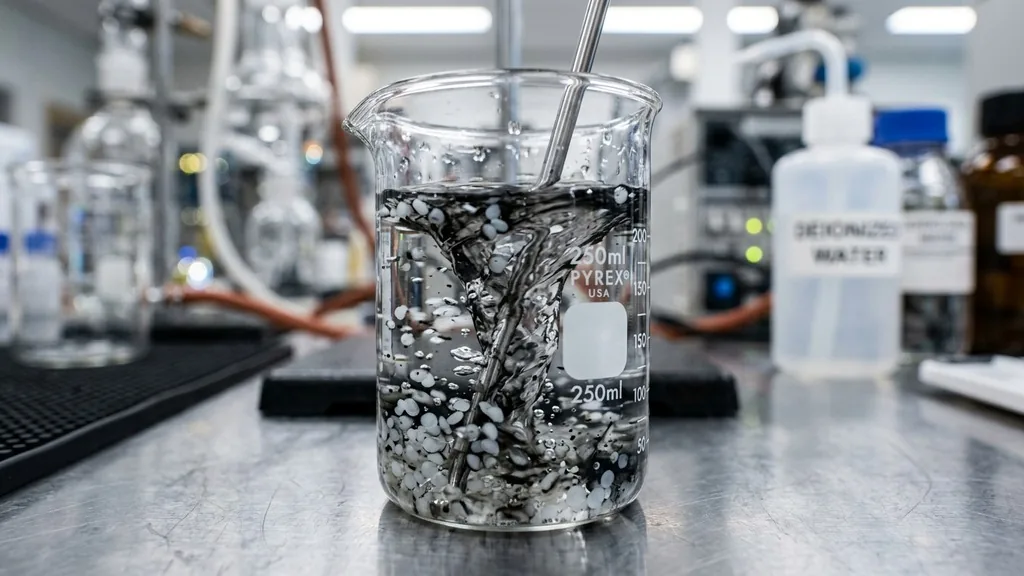
When you apply your daily coat of pigment, you are likely not thinking about the complex chemical engineering required to keep that product in place for twelve hours without smudging. Understanding what mascara is made of requires looking past the brand labels and into the world of polymer science, structural chemistry, and historical myths. At its core, this ubiquitous cosmetic is a sophisticated emulsion designed to balance adhesion, flexibility, and safety for one of the most sensitive parts of the human body: the eye.
The modern formulation of mascara is a testament to how far cosmetic chemistry has come. While ancient civilizations once used soot and kohl, today’s products are carefully calibrated mixtures of pigments, oils, waxes, and film-formers. To understand how these components interact, we must look at the specific functions each ingredient plays in creating the desired aesthetic effect on your lashes.
The Fundamental Anatomy of Mascara Formulas
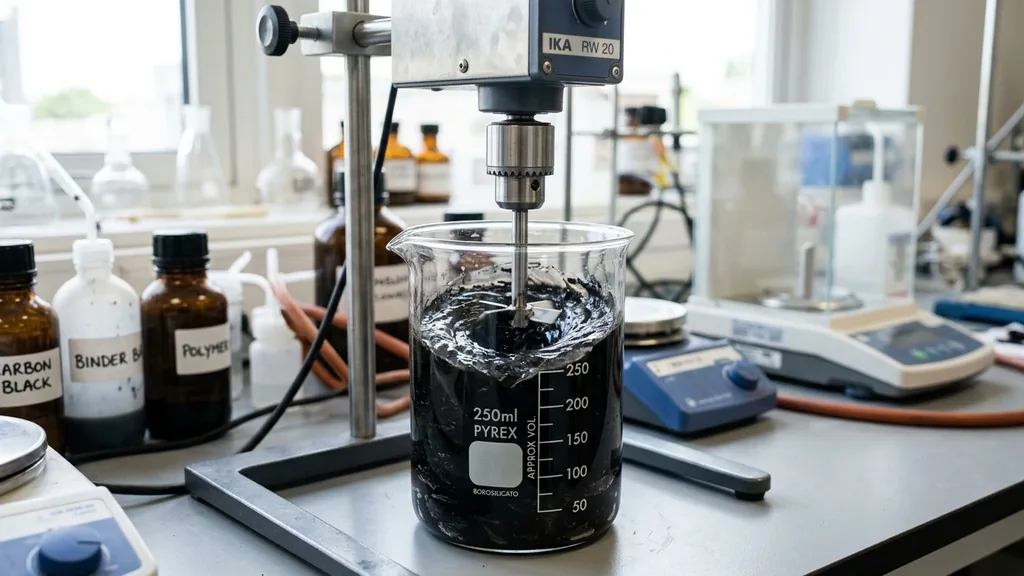
Most mascaras are essentially a mixture of three primary components: water, waxes, and pigments. These three elements are held together through the process of emulsification. Because oil and water naturally repel each other, chemists use emulsifiers to create a stable, creamy consistency that can be easily applied with a brush.
Water acts as the solvent, allowing the product to remain fluid inside the tube. Waxes, on the other hand, provide the structural backbone of the mascara.
Common waxes used in this process include beeswax, carnauba wax, and paraffin. These materials are responsible for the thickening effect; as the solvent evaporates upon application, the wax remains behind, coating the hair shaft and creating the appearance of volume.
The pigment is what provides the color. In the vast majority of black mascaras, the primary pigment is carbon black or iron oxides. These minerals are finely ground to ensure they can be suspended evenly throughout the formula without clumping.
When you look at the ingredient list, you will notice these appear as CI 77499 or similar codes, which signify the specific iron oxide used to achieve that deep, dark finish. Without these stabilizing agents and pigments, your mascara would simply be a runny, transparent liquid that failed to provide any definition or color to your lashes.
Debunking the Bat Poop Myth: Historical Context
One of the most persistent urban legends in the beauty industry is that mascara contains bat guano. To address this head-on: no, your mascara is not made of bat poop.
This myth likely stems from a linguistic misunderstanding involving the ingredient guanine. Guanine is a crystalline material that produces a shimmery, iridescent effect and is found in the scales of fish.
While guanine is a legitimate cosmetic ingredient, it is entirely different from the guano produced by bats. Furthermore, even in the context of guanine, most modern manufacturers have moved toward synthetic alternatives like bismuth oxychloride or mica to achieve a pearlized sheen, as they are more consistent, affordable, and ethically sourced. The confusion between the words guanine and guano has persisted for decades, fueled by internet rumors that fail to distinguish between biological waste and mineral-derived pearlescent pigments.
It is important to note that cosmetic regulations are incredibly stringent. Regulatory bodies, such as the Food and Drug Administration, maintain strict lists of permitted color additives and chemicals.
The manufacturing process for any cosmetic product sold in major markets requires rigorous safety testing. If there were even a remote chance that waste products were being used in formulations, it would be a violation of international health safety standards, resulting in immediate recalls and massive legal liabilities.
Distinguishing Between Waterproof and Washable Formulas
The primary difference between a standard washable mascara and a waterproof version lies in the carrier fluid used to keep the pigments suspended. In washable formulas, water is the primary solvent. This makes the product easy to remove with soap and water but also means it is susceptible to smudging if you happen to get caught in the rain or experience watery eyes.
Waterproof mascaras, by contrast, replace the water content with volatile solvents or specialized oils that do not dissolve when exposed to moisture. These formulas rely on higher concentrations of hydrophobic waxes and polymers.
These polymers form a flexible, water-resistant film around each lash. When you apply these products, the solvent evaporates quickly, leaving behind a rigid, protective layer that keeps the pigment locked onto the hair shaft regardless of external humidity.
Key Differences in Mascara Composition
| Feature | Washable Mascara | Waterproof Mascara |
|---|---|---|
| Primary Solvent | Water | Isododecane or Volatile Silicones |
| Removal Method | Soap and Water | Oil-based Cleanser |
| Film-Forming Agent | Water-soluble Polymers | Hydrophobic Resins |
| Longevity | Moderate | High / Smudge-proof |
Understanding these differences is vital for eye health. Because waterproof formulas are designed to stay on the eye, they often require more aggressive rubbing or harsh cleansers to remove. This mechanical stress can lead to lash breakage or irritation of the delicate skin around the eyelid if not handled carefully with a dedicated makeup remover.
The Role of Polymers and Film-Formers
If waxes give mascara its volume, polymers are what provide the “staying power.” These long-chain molecules are the unsung heroes of modern cosmetic technology.
They work by creating a continuous, flexible film that wraps around the lash. Unlike a brittle layer of paint, this film must be able to bend and flex as you blink throughout the day.
Common film-forming agents include PVP (polyvinylpyrrolidone) and various acrylates copolymers. These substances ensure that as the mascara dries, it does not flake off into your eyes or onto your cheeks. The quality of the polymer used often determines the price point of the product; high-end formulas often feature advanced, proprietary polymers that offer a better balance between long-wear performance and a lightweight, natural feel.
These polymers also contribute to the “curling” effect. As the film-former dries, it exerts a subtle tension on the lash, helping to hold the shape established by the lash curler.
By combining these polymers with waxes, chemists can create a formula that thickens, lengthens, and curls simultaneously. This multi-functional approach is why modern mascaras are significantly more complex than their counterparts from even thirty years ago.
Safety and Preservatives in Eye Cosmetics
Because mascara is a liquid product kept in a dark, warm, and moist environment—the perfect breeding ground for bacteria—preservatives are an essential part of its composition. Without them, a tube of mascara would become contaminated within a few days of opening, posing a significant risk of eye infections like conjunctivitis.
Common preservatives used in mascaras include phenoxyethanol, parabens, or organic acids like sorbic acid. These chemicals work by inhibiting the growth of microorganisms that might be introduced into the tube via the wand.
This is why it is strictly recommended that you replace your mascara every three months. Even with preservatives, the integrity of the formula degrades over time, and the repeated exposure to the air and your own skin flora eventually overwhelms the stabilizing agents.
- Replace your mascara tube every 90 days to prevent bacterial buildup.
- Never share your mascara with others to avoid cross-contamination of eye bacteria.
- Store your makeup in a cool, dry place rather than a steamy bathroom to extend shelf life.
- If you notice an unusual smell or a change in texture, discontinue use immediately.
- Always remove eye makeup before sleeping to prevent follicle blockages and irritation.
It is also worth noting that the “clean beauty” movement has pushed many brands to reformulate away from certain traditional preservatives. While this is often marketed as a health benefit, it is crucial to remember that a preservative-free mascara is effectively impossible. If you choose “clean” alternatives, ensure the brand uses evidence-based, effective natural preservatives to maintain the safety of the product.
Addressing Topical Gaps: Tubing Mascara Technology
One of the most significant advancements in recent years is the development of “tubing” mascara. These products are fundamentally different from traditional oil-and-wax-based formulas. Instead of painting the lashes with pigment, tubing mascaras contain polymers that wrap around each individual lash in a tube-like structure.
When you apply these products, the polymers slide onto the lash and harden. Because they are not oil-based, they are virtually immune to smudging, even on oily eyelids. The most interesting aspect of tubing mascara is the removal process.
Since the “tubes” are water-resistant but not oil-resistant, they do not dissolve with makeup remover. Instead, they require warm water and gentle pressure. The warm water loosens the bond of the polymer, allowing the tubes to slide off the lashes in one piece.
This technology is a game-changer for people with sensitive eyes or those who struggle with “raccoon eyes” by the end of the day. By understanding that these products are built on a completely different chemical platform—polymer-encapsulation rather than pigment-adhesion—you can make a more informed choice about which type of mascara suits your specific lifestyle and skin type.
The Future of Lash Enhancing Formulations
As we look toward the future, the industry is shifting toward hybrid products that treat the lashes while providing cosmetic coverage. Many modern formulas now incorporate conditioning agents like panthenol (vitamin B5), keratin, and various botanical oils. These ingredients are designed to mitigate the drying effects of the film-forming agents, helping to keep lashes supple and preventing the brittleness that can lead to thinning over time.
This evolution represents a shift from seeing makeup as a purely decorative element to viewing it as a component of a comprehensive skincare regimen. While these ingredients are beneficial, it is important to maintain realistic expectations; a mascara, regardless of its nourishing ingredients, is still a topical coating. The primary goal remains the aesthetic transformation of the lash, and any conditioning benefits are secondary to the primary function of the product.
As consumers continue to demand more transparency regarding what is in their products, we can expect to see a rise in ingredient-conscious formulations. This includes the move away from synthetic dyes toward more natural, mineral-based colorants and a continued focus on sustainable sourcing for waxes and oils. The science behind what mascara is made of is far from static; it is a continuously developing field that balances the need for high-performance aesthetic results with the absolute necessity of safety in one of the most sensitive areas of the human body.
Frequently Asked Questions
Is mascara safe for daily use on my eyes?
Yes, mascara is generally safe for daily use provided it is used as directed and replaced every three months. Always ensure you purchase products from reputable brands that adhere to strict safety regulations, and never use expired makeup, which can harbor harmful bacteria and cause infections.
What is the primary ingredient responsible for the black color?
The deep black color in most mascaras is primarily derived from iron oxides, specifically CI 77499. Some high-intensity formulas may also use carbon black, a finely processed soot, to achieve an even deeper, more dramatic pigment payoff that is highly resistant to fading.
Are there animal-derived ingredients in my mascara?
Some mascaras contain beeswax or shellac, which are animal-derived. While these are common, many brands now offer vegan alternatives that use synthetic waxes or plant-based waxes like carnauba or candelilla. Always check the ingredient list or look for a “vegan” certification if you want to avoid animal products.
Does waterproof mascara damage my natural lashes?
Waterproof mascara does not chemically damage lashes, but the removal process often does. Because it requires more friction to dissolve the strong film-formers, excessive rubbing can lead to lash breakage. Use an oil-based makeup remover to break down the formula gently before washing your face.


