

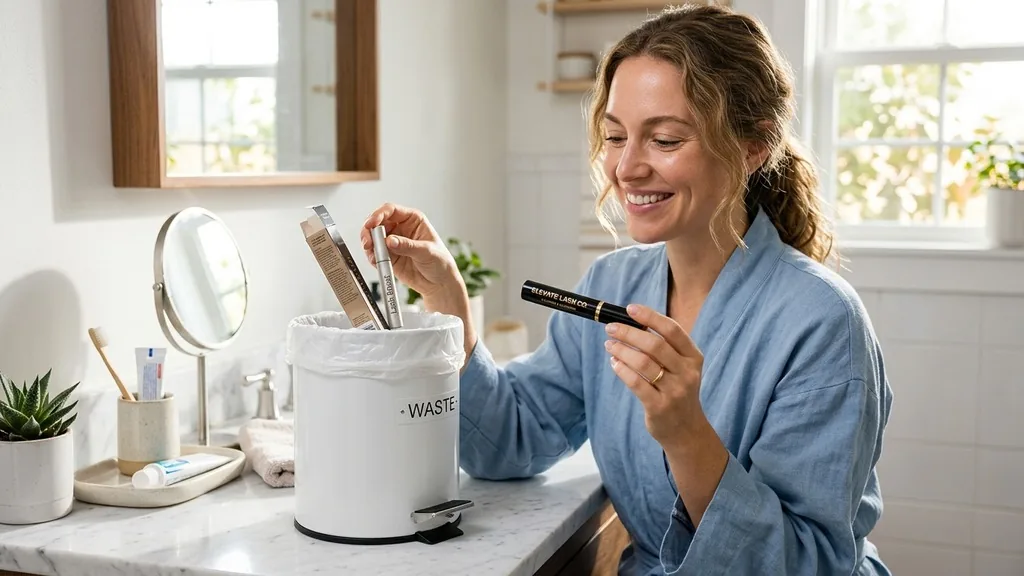
Maintaining the freshness of your beauty products is essential for both your aesthetic results and the health of your eyes. Knowing how to make mascara last longer involves a combination of smart application habits, proper storage, and knowing exactly when it is time to say goodbye to a tube.
Because mascara is a liquid-based product that lives in a dark, warm, and humid environment, it is naturally susceptible to bacterial growth and premature drying. By optimizing how you handle your makeup, you can ensure your favorite formula remains smooth, clump-free, and effective for the duration of its intended lifespan.
Understanding the Lifespan of Your Mascara Tube
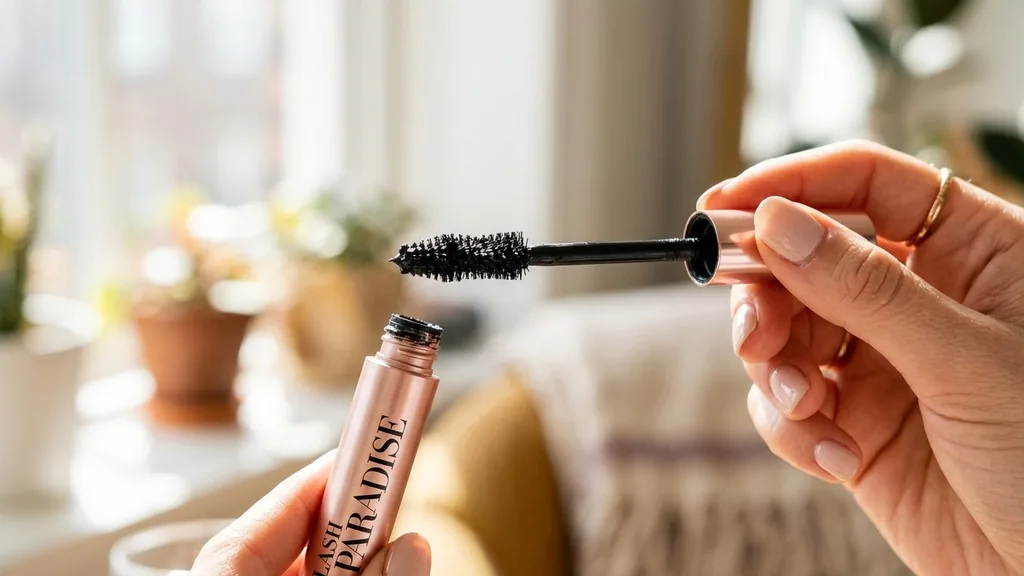
The foundation of learning how to make mascara last longer begins with understanding the shelf life of the product itself. Most professional makeup artists and dermatologists recommend replacing your mascara every three months. This is not just a marketing ploy to get you to purchase more products; it is a critical safety measure.
Every time you pull the wand out of the mascara tube, you introduce air, which contains oxygen and potential contaminants. Over time, this oxygen causes the formula to oxidize and thicken, leading to that dreaded clumpy, dry consistency that makes application difficult and results in flaking throughout the day.
To maximize the life of your product, you must be disciplined about how you interact with the packaging. Many people have a subconscious habit of “pumping” the wand in and out of the tube to grab more product. This is arguably the most common mistake that ruins a fresh tube.
Each pump forces air into the container, accelerating the drying process. Instead, gently swirl the wand inside the tube to coat the bristles evenly. If you feel like you aren’t getting enough product, a simple circular motion against the inner walls of the tube is far more effective and much safer for the longevity of the formula.
Furthermore, ensure the cap is tightened completely after every use. Even a slightly loose cap can allow the base ingredients to evaporate, turning a smooth, creamy mascara into a thick, unusable paste in a matter of weeks.
Reviving Dried Formulas with Safe Techniques
If you find that your mascara is becoming slightly dry before the three-month mark, you may be looking for a solution to restore its consistency. It is important to approach this with caution. While there are many “hacks” circulating online, not all of them are safe for the delicate skin around your eyes.
One of the most effective and gentle ways to revive a formula that is just beginning to thicken is the use of warm water. By placing the closed mascara tube into a cup of hot water for a few minutes, you can soften the waxes and oils within the formula. The heat helps to loosen the product, making it glide onto your lashes much more smoothly.
Avoid the temptation to add tap water or saliva directly into the tube. Introducing external liquids—especially saliva, which contains bacteria—can lead to severe eye infections. If the formula is truly beyond the point of simple heat restoration, you might consider a high-quality eye-safe additive.
However, always prioritize the integrity of the product. If the mascara has changed color, developed an unusual odor, or is causing irritation, it has reached the end of its life and should be discarded immediately.
Prioritizing eye health is a non-negotiable aspect of beauty maintenance. For more information on maintaining eye health while using cosmetics, visit the American Academy of Ophthalmology for guidelines on safe makeup practices.
Strategic Application Habits for Longevity
How you apply your makeup has a direct impact on how long the effect lasts on your face. If you want your mascara to look fresh from morning until night, you need to prepare your lashes properly. Mascara adheres best to clean, dry lashes.
If you have residual oils from your skincare routine or foundation lingering on your lashes, the mascara will struggle to grip, leading to smudging or “raccoon eyes” by midday. Using a light dusting of translucent powder or a dedicated lash primer can create a stable base that helps the formula stay in place.
Another key factor is the technique you use during application. Start at the very base of your lashes, wiggling the wand back and forth before pulling it through to the tips. This deposits the bulk of the product at the roots, which provides structure and helps hold the curl.
Avoid applying too many layers while the product is still wet, as this leads to heavy, drooping lashes that are prone to smudging. Allow a few seconds for the first coat to set before adding a second.
If you struggle with smudging, consider using a waterproof topcoat over your regular formula. This provides a clear, durable seal that prevents the underlying pigment from transferring onto your eyelid, effectively extending the wear time of your look without requiring you to switch to a fully waterproof mascara that can be difficult to remove.
Proper Storage and Environmental Control
The environment in which you store your makeup plays a significant role in its degradation. Many people store their makeup in the bathroom, which is arguably the worst place for it. The fluctuating temperatures and high humidity levels from daily showers create a breeding ground for bacteria and can compromise the chemical stability of your mascara.
To keep your product in the best possible condition, store it in a cool, dry place away from direct sunlight. A bedroom vanity or a dedicated makeup drawer is ideal.
Consistency in temperature is key. When a product is repeatedly exposed to heat and then cools down, the formula can separate or change texture. If you live in a particularly hot climate, keeping your makeup in a climate-controlled area is essential.
Furthermore, never share your mascara. Sharing wands is the fastest way to transfer bacteria between users, which can lead to conjunctivitis or other infections. By keeping your mascara to yourself and storing it in a stable environment, you minimize the risk of premature spoilage and ensure that the product performs exactly as the manufacturer intended until the very last drop.
Comparing Different Mascara Types
Not all mascaras are created equal, and their chemical compositions significantly impact how long they last and how they behave on your lashes. Understanding these differences can help you choose a product that aligns with your lifestyle and longevity needs.
| Mascara Type | Longevity | Best For | Removal Difficulty |
|---|---|---|---|
| Waterproof | High | Humidity/Activities | High |
| Tubing | Medium/High | Sensitive eyes/No smudge | Low (Warm water) |
| Volumizing | Low/Medium | Dramatic look | Low |
| Lengthening | Medium | Defined look | Low |
As shown in the table, waterproof formulas are designed to be the most resilient against moisture, making them ideal for long days or humid weather. However, they can be drying to the lashes if used daily.
Tubing mascaras are a fantastic alternative; they form tiny polymer “tubes” around each lash that don’t smudge or flake, and they slide off easily with warm water. If you are struggling to make your makeup last, switching to a tubing formula might solve your smudging issues without the need for harsh makeup removers.
Addressing Common Challenges and Topical Gaps
One common frustration that users face is the loss of curl shortly after application. If you have straight lashes, you know that heavy formulas can weigh them down, causing them to lose their lift quickly. To combat this, always curl your lashes before applying mascara.
If you find your lashes still droop, look for a “curl-hold” formula or a waterproof option, which acts like hairspray for your lashes, locking the shape in place. Another gap in knowledge involves the removal process.
Many people scrub their eyes aggressively, which leads to lash breakage and irritation. When your lashes are damaged or sparse, mascara doesn’t sit as well, creating a vicious cycle of poor application and poor retention.
Always use a gentle, oil-based cleanser or a dedicated bi-phase makeup remover to dissolve the mascara. Hold a cotton pad soaked in the remover over your closed eye for 20 to 30 seconds. This allows the product to break down the wax and pigments, letting you wipe the mascara away without tugging.
When you protect your natural lashes during the removal process, they stay healthier and stronger, providing a better canvas for your mascara the next day. Furthermore, if you notice your mascara is flaking by the afternoon, it is likely because the formula has become too dry or you are applying too much product to the tips of the lashes. Focus the weight at the roots and keep the tips light to prevent the “heavy lash” effect that leads to flaking.
The Importance of Tool Hygiene
Your mascara wand is an extension of the product, and its condition is just as important as the formula itself. Over time, old product can build up on the bristles, causing them to become clumped and less effective at separating your lashes.
Periodically cleaning your wand can make a significant difference in how your mascara applies. You can clean your wand by soaking it in warm water with a drop of gentle shampoo, then rinsing it thoroughly and letting it air dry completely before returning it to the tube.
* Never use a dirty wand that has been dropped on the floor.
* Avoid using disposable wands from makeup counters more than once.
* Clean the neck of the mascara tube regularly to prevent dried product from entering the main chamber.
* Replace your mascara immediately if you experience an eye infection.
* Check the expiration date on the bottom of the packaging regularly.
Maintaining a clean kit is not just about aesthetics; it is about hygiene. A clean wand ensures that every application is precise and that you aren’t depositing old, hardened product onto your fresh lashes.
This simple maintenance step, combined with proper storage and application techniques, will ensure that your mascara remains a reliable part of your beauty routine for its entire intended lifecycle. Remember, the goal is not to force a product to last forever, but to ensure it remains high-quality and safe while you are using it.
Frequently Asked Questions
How can I tell if my mascara has expired?
If your mascara has developed a distinct, chemical, or “off” smell, it has likely expired. Other signs include a change in texture—such as becoming stringy or overly clumpy—or if the formula causes any irritation, redness, or itching around your eyes. Always discard it after three months.
Is it safe to use eye drops to thin out dried mascara?
It is generally not recommended to add eye drops to your mascara. While some believe it revives the formula, it can introduce preservatives or chemicals that were not intended to be mixed with your makeup, potentially leading to bacterial growth or eye irritation. Stick to external heat methods.
Why does my mascara smudge under my eyes by the end of the day?
Smudging usually occurs due to oils from your skin or skincare products interacting with the mascara. Ensure your eye area is prepped with a light dusting of powder. If you have naturally oily skin, consider switching to a tubing mascara, which is specifically designed to resist smudging and flaking.
Should I replace my mascara if I get an eye infection?
Yes, you must discard your mascara immediately if you develop an eye infection like pink eye. Bacteria can easily live inside the mascara tube and on the wand, meaning that continuing to use the product will likely cause the infection to return or spread to the other eye.


