

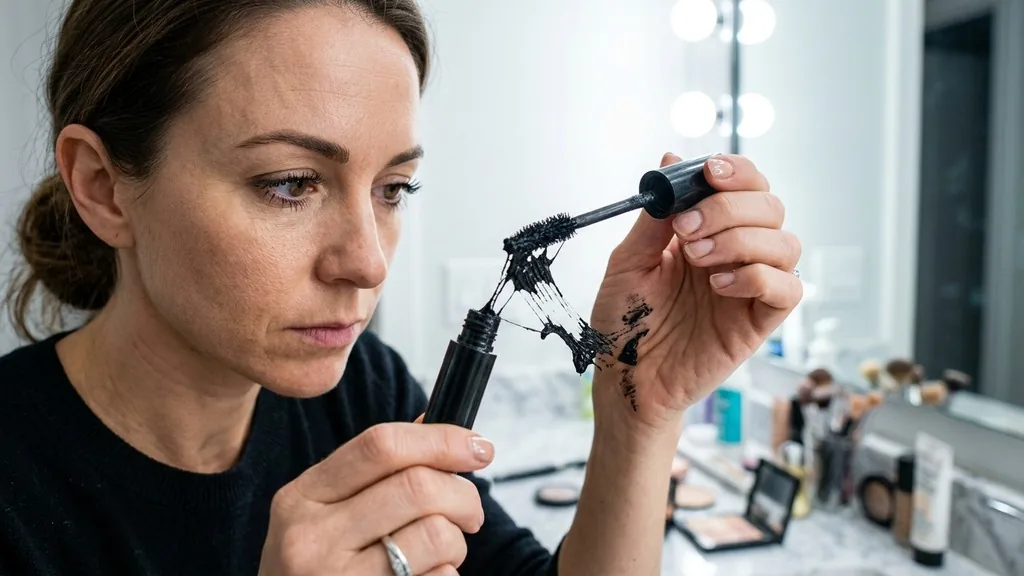
Discovering that your favorite beauty product has suddenly become thick and difficult to work with is a frustration shared by makeup enthusiasts everywhere. If you have ever stood in front of the mirror wondering, why is my mascara clumpy, you are certainly not alone.
Clumpy mascara can ruin a perfectly executed eye makeup look, turning elegant, fanned-out lashes into spidery, uneven clusters. Understanding the root cause of this texture change is the first step toward reclaiming your lash game and ensuring your makeup application remains smooth, precise, and professional.
The Science of Mascara Texture and Formula Degradation
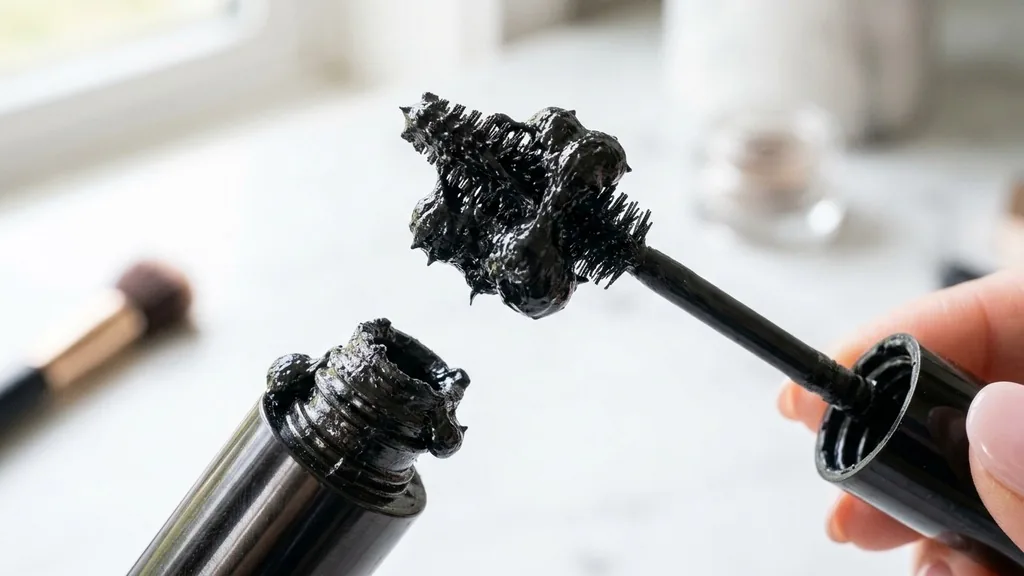
At its core, mascara is a complex emulsion consisting of waxes, pigments, oils, and film-forming polymers designed to coat each individual lash. When you first open a tube, the formula is optimized for a specific viscosity that allows the mascara wand to glide through your lashes, depositing just the right amount of product. However, this formula is highly sensitive to environmental factors.
Every time you pull the wand out of the tube, you introduce air into the chamber. Over time, this exposure to oxygen triggers a process known as oxidation, which causes the volatile solvents in the mascara to evaporate.
As the solvents leave the tube, the remaining mixture becomes significantly thicker and more viscous. This is the primary reason why older tubes of makeup start to perform poorly. Furthermore, the constant in-and-out motion of the wand—often referred to as pumping—accelerates this drying process.
When you pump the wand, you are essentially forcing air into the deep recesses of the tube, which dries out the product from the inside out. This leads to a gritty, uneven consistency that adheres to itself rather than your hair follicles, resulting in that dreaded clumpy look. Recognizing that mascara has a finite shelf life is crucial; most experts recommend replacing your mascara every three months to prevent bacterial growth and to ensure the product maintains its intended chemical integrity.
Proper Wand Maintenance and Hygiene Habits
The tool you use to apply mascara plays a massive role in the final result. If your wand is caked with dried product from previous uses, it will act like a magnet for new, wet product, causing it to clump up before it even touches your eye.
A dirty wand loses its ability to comb through your lashes effectively, as the bristles become clogged and unable to separate the hair properly. To maintain a perfect application, you should make it a habit to wipe down your wand periodically.
Using a clean, disposable spoolie or a tissue to remove excess buildup from the bristles can make a world of difference. When you pull the wand from the tube, take a moment to inspect the tip. If there is a massive glob of product sitting at the end, gently wipe it off on the rim of the tube or a clean paper towel.
This simple step prevents the “clump” from being deposited onto the base of your lashes, where it is most likely to cause sticking. Additionally, if you find that your mascara is consistently clumpy, consider the shape of your brush.
Silicone wands with shorter, stiffer bristles are generally better at separating lashes, while fluffy, natural-fiber brushes are better at adding volume. If your current brush isn’t working for your specific lash type, it might be the reason for your frustration.
The Impact of Environmental Factors and Storage
Believe it or not, the environment in which you store your makeup bag can directly impact your mascara’s lifespan. Many people store their makeup in the bathroom, where humidity levels fluctuate wildly due to hot showers and steam.
This moisture-rich environment can actually seep into the tube, potentially altering the formula or, worse, introducing unwanted microbes. Conversely, extreme heat—like leaving your makeup bag in a hot car—can cause the waxes in the mascara to melt and re-harden, leading to a chunky, uneven texture.
To keep your mascara in peak condition, store it in a cool, dry place away from direct sunlight. Consistent temperatures help maintain the stability of the emulsion. If you notice your mascara feels “gummy” or smells slightly off, it is a sign that the environment has compromised the product.
It is also worth noting that if you share your makeup, you are introducing foreign bacteria into your tube, which can change the pH balance of the formula and lead to clumping. Always keep your eye products personal to maintain the hygiene of your eye area and the quality of the product itself.
Correcting Clumpy Mascara: Immediate Solutions
If you are currently dealing with a tube that has become too thick, there are a few methods you can employ to salvage it. One of the most effective ways to restore the texture is to use heat.
By placing the closed mascara tube in a cup of warm water for a few minutes, you can gently melt the waxes back into a smoother, more fluid state. This is a temporary fix that can help you get through the rest of the tube, but be careful not to make the water boiling hot, as this could warp the plastic packaging or degrade the ingredients.
Another common trick involves adding a few drops of saline solution or contact lens solution to the tube. These liquids are sterile and generally safe for the eyes, and they can help rehydrate a formula that has lost its solvent balance. However, use extreme caution with this method.
Adding too much liquid can ruin the waterproof properties of your mascara or create a breeding ground for bacteria. If you choose to try this, only add one or two drops and stir gently with the wand—do not pump it!
If the product remains clumpy or smells strange after this, discard it immediately. You can find more information on product safety and expiration through the official FDA guidelines on cosmetic safety.
Techniques for a Clump-Free Application
Often, the issue isn’t the mascara itself but the way it is applied to the lashes. If you are rushing through your makeup routine, you are more likely to apply too much product at once. The key to a clump-free look is layering.
Start by placing the wand at the very root of your lashes and wiggling it back and forth before pulling it through to the tips. This technique deposits the majority of the product at the base, which provides structure and volume, while the tips remain light and fanned out.
If you are prone to clumping, try using a primer before applying your mascara. A lash primer acts as a smooth base that separates the lashes and creates a surface for the mascara to cling to more evenly. It also helps to prevent the mascara from flaking or clumping throughout the day.
Another technique involves using a clean lash comb or a metal lash separator immediately after applying your first coat. While the mascara is still slightly wet, run the comb through your lashes to remove any excess product and separate individual hairs. This step is the “secret weapon” used by many professional makeup artists to achieve that wide-eyed, fanned-out look.
| Factor | Effect on Mascara | Recommended Action |
|---|---|---|
| Pumping the Wand | Introduces air, causes drying | Use a swirling motion instead |
| High Humidity | Alters formula stability | Store in a cool, dry location |
| Excessive Buildup | Causes spidery, heavy lashes | Wipe the wand before application |
| Age of Product | Formula degrades over time | Replace every 3 months |
Common Misconceptions and Topical Gaps
There is a prevalent myth that all “volumizing” or “thickening” mascaras are inherently clumpy. While these formulas are indeed denser than lengthening or tubing mascaras, they shouldn’t be clumpy by design. If a high-volume mascara is clumpy, it is usually because the user is applying it with too much pressure or using a tube that has been open for too long.
Another common gap in knowledge is the difference between “clumping” and “layering.” Many users think they need to keep applying coats to get more volume, but after the first two coats, the mascara starts to dry. Applying a third or fourth coat on top of semi-dry mascara is a recipe for disaster.
Furthermore, people often confuse “clumping” with “spidery lashes,” which can sometimes be an intentional stylistic choice. If you want a natural look, you should focus on separation rather than volume. If you want volume, you must accept that the lashes will look thicker, but they should never look like “clumps” of product.
Understanding your own lash density is also important; if you have very fine, sparse lashes, a heavy-duty volume formula might be too much for your hair to hold, causing the product to slide down and cluster together. In such cases, switching to a buildable, lightweight formula is the best solution.
- Always start your application at the very base of the lash line to build a solid foundation.
- Avoid the “pump” motion; instead, rotate the wand inside the tube to pick up the product.
- Use a clean metal lash comb immediately after application to remove any excess product.
- Store your mascara in a cool, dry environment to prevent premature oxidation of the formula.
- Check the expiration date on the packaging, as old mascara is significantly more prone to clumping.
- Consider a lash primer to provide a smooth base and prevent the formula from sticking together.
Frequently Asked Questions
Is it safe to use clumpy mascara if I just bought it?
If a brand-new tube is clumpy, it is likely a manufacturing defect or the product was stored in extreme temperatures before you purchased it. Do not force it to work; return it to the retailer for an exchange, as the formula has likely been compromised.
How can I tell if my mascara has actually expired?
Beyond clumping, look for signs like a change in smell, a separation of the liquid and pigments, or if the mascara causes irritation to your eyes. If the product has been open for more than three months, it should be discarded regardless of its appearance.
Does waterproof mascara clump more than regular mascara?
Waterproof formulas often contain different waxes and solvents that can dry faster than traditional formulas. Because they set more quickly, they can be more prone to clumping if you do not work fast enough during the application process. Always work in thin, even layers.
Should I add water to my mascara to fix the clumps?
Never add tap water to your mascara. Tap water contains bacteria that can lead to eye infections. If you must rehydrate the formula, use only a tiny amount of saline solution, and keep in mind that this will shorten the lifespan of the product significantly.


