

The persistent rumor that mascara is made out of bat poop has circulated through beauty forums and internet urban legends for decades. It is one of those persistent myths that sound just plausible enough to make people pause before their next swipe of lash-lengthening product.
When you consider the complex chemical formulations found in modern beauty products, it is easy to see how a misunderstanding of scientific terminology could lead to such a bizarre conclusion. However, the reality is far less scandalous and significantly more grounded in organic chemistry than these rumors suggest.
The Origin of the Bat Poop Myth
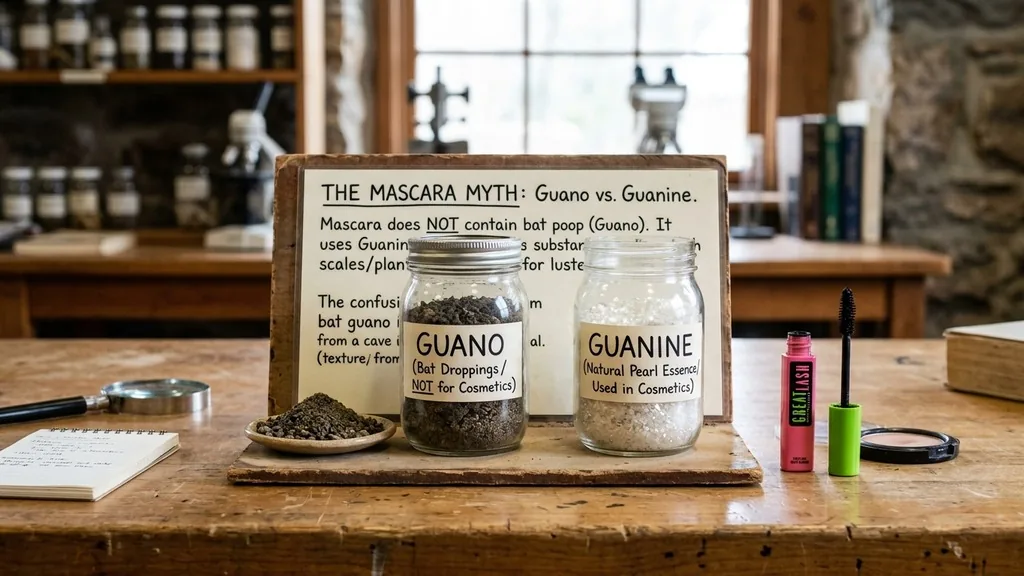
The idea that mascara contains bat droppings primarily stems from a confusion between two similar-sounding words: guano and guanine. Guano is the term used for the accumulated excrement of seabirds, cave-dwelling bats, and seals.
It is widely known in agricultural circles as a potent fertilizer due to its high nitrogen and phosphorus content. Because people often hear that certain cosmetic components are derived from animal byproducts, the leap from “guanine” to “guano” was made by the public, resulting in the long-standing myth that mascara is made out of bat poop.
This misunderstanding is a classic case of linguistic conflation. In the world of cosmetics, manufacturers rely on specific chemical compounds to achieve the desired texture, pigment, and longevity of a product. When a label mentions “guanine,” it is referring to a crystalline material that provides a pearlescent shimmer.
Because this word shares a linguistic root with the term for bat excrement, the internet rumor mill quickly capitalized on the phonetic similarity. In reality, the cosmetic industry has no use for animal waste in its manufacturing processes, as these materials would introduce impurities, bacteria, and inconsistent chemical structures that would make a product unsafe for use around the sensitive eye area.
What is Guanine and How is it Used?
Guanine is a naturally occurring nucleobase that serves as a fundamental building block of DNA and RNA. In the context of the beauty industry, the term refers to a specific crystalline extract used to create a shimmering, iridescent effect in various beauty products.
It is not, and never has been, a byproduct of any waste material. Instead, this substance is typically derived from the scales of fish.
When you apply a product that contains guanine, you are applying a substance that reflects light to create a pearlescent finish. This is common in eyeshadows, nail polishes, and certain high-end mascaras that promise a luminous or multi-dimensional look.
Because consumers often look for natural ingredients, the industry has shifted toward using synthetic alternatives to guanine, such as synthetic mica or bismuth oxychloride, to achieve the same effect without relying on animal-derived materials. These synthetic ingredients are highly regulated and undergo rigorous safety testing to ensure they do not cause irritation to the delicate skin of the eyelids or the ocular surface.
Typical Ingredients Found in Modern Mascara
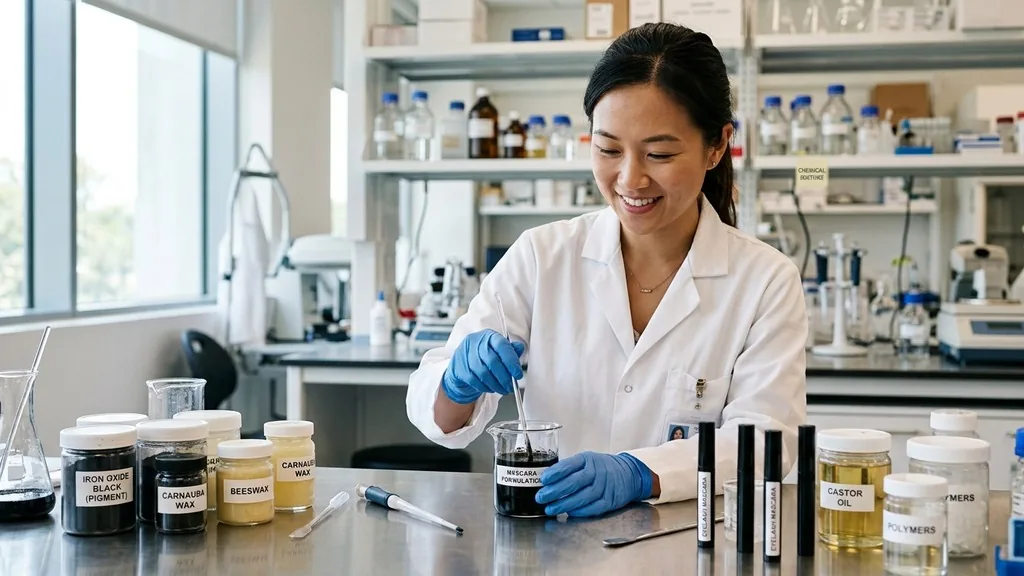
To understand why the myth about bat droppings is so far removed from reality, it helps to look at the actual composition of modern mascara. Manufacturers design these formulas to be stable, safe, and effective at coating the lashes without causing clumping or smudging. A typical tube of mascara contains a carefully calibrated blend of waxes, oils, pigments, and film-forming polymers.
The wax component is essential for providing structure and thickness to the lashes. Common waxes include carnauba wax, beeswax, or paraffin, which help the product adhere to the hair shaft and maintain its shape throughout the day. Oils, such as castor oil or mineral oil, are added to keep the formula smooth and prevent it from drying out inside the tube.
Pigments like iron oxides or carbon black provide the deep, dark color that defines the lashes. Finally, preservatives are included to prevent the growth of bacteria, which is critical for products used near the eyes.
You can find detailed information on cosmetic safety standards through the U.S. Food and Drug Administration website, which outlines the rigorous requirements for product labeling and ingredient safety.
Historical Context and Old Cosmetic Formulas
The history of cosmetics is filled with dangerous substances that were once considered standard, such as lead-based powders or mercury-infused skin creams. When people hear that “old” cosmetics were made from strange things, they are often more inclined to believe modern myths about bat poop. However, even in the early days of mascara production, the focus was on using readily available materials like kohl, which is a mixture of lead sulfide, antimony, and soot.
While the ingredients used in the past were certainly not as safe as the ones we use today, they were not based on excrement. The evolution of the mascara wand and the tube delivery system in the early 20th century standardized the ingredients, moving away from loose powders and toward the emulsion-based formulas we recognize today. The shift was driven by the need for convenience and hygiene.
A liquid or cream formula requires a stable environment, which is why modern preservatives are so important. There is no historical record of bat guano being used as a pigment or a base for lash darkening, likely because it is unstable, odorous, and chemically unsuitable for cosmetic application.
Addressing the Topical Gaps
One of the main reasons this myth persists is the lack of public knowledge regarding how ingredients are sourced and labeled. Many consumers do not realize that “guanine” is an organic compound found in virtually all living organisms.
Because the scientific name for this nucleobase is so similar to “guano,” the confusion remains unchecked in online spaces. To clarify, guanine is not a substance that is “harvested” from animals in the same way one might think of harvesting manure; it is a molecular component that can be synthesized in a lab or extracted from fish scales.
Another gap in public understanding is the role of regulatory bodies in the cosmetic industry. If a company were to use something as hazardous as bat waste in their products, they would be in immediate violation of international safety regulations. Cosmetic ingredients must pass toxicological assessments before they are approved for use.
The idea that a major beauty brand could secretly incorporate animal waste into a product that is applied to the eye every day is chemically and logistically impossible. The manufacturing process involves sterile environments, precise chemical mixing, and quality control checks that would immediately flag any organic contaminants.
The Role of Carbon Black and Iron Oxides
When discussing the ingredients that give mascara its deep, intense color, it is important to distinguish between naturally occurring minerals and carbon-based pigments. Carbon black is a common ingredient used to achieve a rich, opaque black finish.
It is produced by the controlled combustion of carbon-rich materials. It is a highly refined powder that is stable, hypoallergenic, and extremely effective at providing the contrast needed to make lashes pop.
Iron oxides are another staple in the cosmetic industry. These minerals are responsible for the various shades of brown, red, and black found in eyeliners and mascaras. They are inorganic, meaning they are not derived from animal or plant sources.
Because they are minerals, they are naturally stable and do not provide a food source for bacteria, which helps keep the mascara formula safer for longer periods. These ingredients represent the standard for the industry, and they are vastly different from the organic, biological waste that the myth suggests.
Comparing Common Cosmetic Ingredients
To further debunk the idea that strange or unsanitary materials are used in beauty products, it is helpful to look at how different substances are categorized based on their source and function. The following table illustrates the difference between common cosmetic ingredients and the substances often wrongly associated with them.
| Ingredient Name | Common Source | Primary Function |
|---|---|---|
| Guanine | Fish scales / Synthetic | Provides shimmer and pearlescence |
| Iron Oxides | Mineral deposits | Provides pigment and color |
| Carnauba Wax | Palm leaves | Thickens and holds lash shape |
| Guano | Bat or seabird waste | Agricultural fertilizer |
This comparison makes it clear that the components used in your makeup bag are chosen for their specific chemical properties, such as light reflection, pigment density, or structural integrity. Substances like guano serve a purpose in agriculture, but they offer no functional benefit to a cosmetic formula. In fact, they would actively detract from the performance and safety of the product.
Why the Myth is So Hard to Kill
The longevity of the “mascara is made of bat poop” story is a testament to how easily misinformation can spread in the digital age. It captures the imagination because it is gross, shocking, and involves something that people use on their faces every single day. Once a rumor like this takes root, it becomes part of the “beauty trivia” that gets shared on social media, often without any fact-checking or scientific verification.
People generally enjoy sharing “hidden truth” stories about the products they use. It feels like a secret piece of information that gives the reader power or insight. When you add the fact that some cosmetic labels contain long, complicated scientific names, it creates a barrier to entry for the average consumer.
Most people are not chemists, and they do not have the time to look up the chemical structure of every ingredient on the back of a tube. This is where the myth finds its sanctuary. By understanding the basics of organic chemistry and the strict safety standards of the beauty industry, consumers can easily dismiss these claims and focus on the actual benefits of their chosen products.
Frequently Asked Questions
- Is there any animal waste used in modern cosmetics? No. The cosmetics industry is strictly regulated, and the use of animal waste would violate safety standards and cause significant health risks to consumers.
- What does the ingredient “guanine” actually do? Guanine is a crystalline substance used to add a shimmering or pearlescent effect to beauty products. It is typically derived from fish scales or synthetic sources, not from bat droppings.
- Why do people think mascara contains bat poop? The rumor stems from a confusion between “guanine,” a common cosmetic ingredient, and “guano,” which is the term for bat or bird excrement. The phonetic similarity has led to a long-standing urban legend.
- Are modern mascaras safe for sensitive eyes? Yes. Modern formulations are rigorously tested for safety. If you have sensitive eyes, look for products labeled “ophthalmologist-tested” or “hypoallergenic,” which are designed to minimize the risk of irritation.
In summary, the next time you hear someone claim that mascara is made from bat poop, you can confidently explain the difference between guanine and guano. The beauty industry relies on sophisticated chemistry, minerals, and synthetic compounds to create the products we use daily. While it is always smart to be mindful of what you apply to your skin, you can rest assured that your mascara is far removed from any biological waste.
The ingredients found in your makeup are selected for their ability to enhance your features safely and effectively, providing the results you expect without any of the unsavory components suggested by internet myths. By focusing on the science rather than the sensationalism, you can better appreciate the complex formulation that goes into every tube of mascara.


